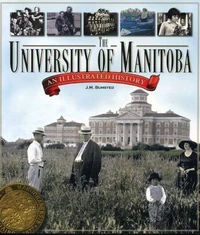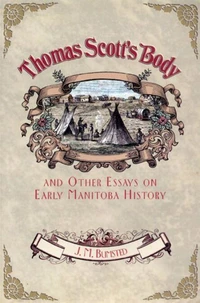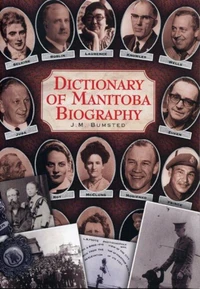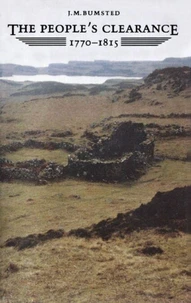
J. M. Bumsted is the author of many popular and scholarly books on Canadian history, including Fur Trade Wars, The Dictionary of Manitoba Biography, and the widely used textbook The Canadian Peoples: A History.
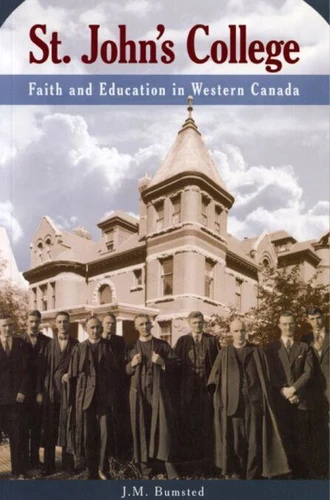
St. John's College. Faith and Education in Western Canada
Par :Formats :
Disponible dans votre compte client Decitre ou Furet du Nord dès validation de votre commande. Le format ePub est :
- Compatible avec une lecture sur My Vivlio (smartphone, tablette, ordinateur)
- Compatible avec une lecture sur liseuses Vivlio
- Pour les liseuses autres que Vivlio, vous devez utiliser le logiciel Adobe Digital Edition. Non compatible avec la lecture sur les liseuses Kindle, Remarkable et Sony
 , qui est-ce ?
Notre partenaire de plateforme de lecture numérique où vous retrouverez l'ensemble de vos ebooks gratuitement
Pour en savoir plus sur nos ebooks, consultez notre aide en ligne ici
C'est si simple ! Lisez votre ebook avec l'app Vivlio sur votre tablette, mobile ou ordinateur :

- Nombre de pages224
- FormatePub
- ISBN0-88755-996-4
- EAN9780887559969
- Date de parution30/10/2006
- Protection num.Digital Watermarking
- Taille6 Mo
- Infos supplémentairesepub
- ÉditeurUniversity of Manitoba Press
Résumé
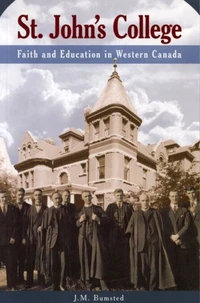
With roots going back to the Red River Settlement in the 1850s, Winnipeg's St. John's College is the oldest Anglophone educational institution in Western Canada. First founded as a school for the children of the employees of the Hudson's Bay Company, over the decades the college has re-invented itself many times. When it was established as St. John's College in 1866 by bishop Robert Machray, the college was intended primarily to provide theological training for young men going into the Anglican church.
By 1900, the college had become a coeducational liberal arts college and was one of the four founding colleges of the University of Manitoba. Throughout the twentieth century, the college would continue to evolve, and would need skill and tenacity to meet the challenges of financial disaster, two world wars, and rapidly changing social values. Distinguished historian J. M. Bumsted presents a lively look at the people and events at the heart of the history of St.
John's College. While relatively small in size, the college has played an important role in the educational and social life of Western Canada. Its early leaders, such as Robert Machray and Samuel Matheson, held positions of national importance in the Anglican church and lent their prestige and influence to the college. The college's changing fortunes also paralleled those of the Anglican church and Winnipeg's Anglo-Celtic elite.
Throughout the 1930s and 1940s, it would struggle financially as both of these institutions went through major changes. By the 1950s and 1960s, the college would re-emerge with a revitalized presence, using its traditions to meet new educational and social challenges.
By 1900, the college had become a coeducational liberal arts college and was one of the four founding colleges of the University of Manitoba. Throughout the twentieth century, the college would continue to evolve, and would need skill and tenacity to meet the challenges of financial disaster, two world wars, and rapidly changing social values. Distinguished historian J. M. Bumsted presents a lively look at the people and events at the heart of the history of St.
John's College. While relatively small in size, the college has played an important role in the educational and social life of Western Canada. Its early leaders, such as Robert Machray and Samuel Matheson, held positions of national importance in the Anglican church and lent their prestige and influence to the college. The college's changing fortunes also paralleled those of the Anglican church and Winnipeg's Anglo-Celtic elite.
Throughout the 1930s and 1940s, it would struggle financially as both of these institutions went through major changes. By the 1950s and 1960s, the college would re-emerge with a revitalized presence, using its traditions to meet new educational and social challenges.