SOLDES
Jusqu'à -70% sur une sélection d'articles*

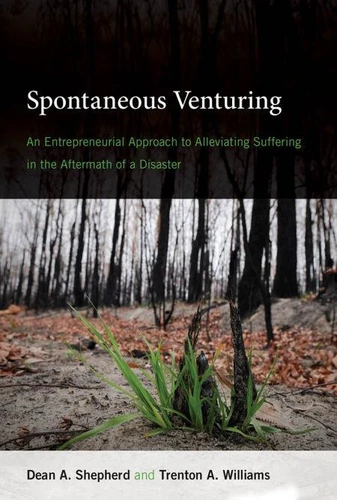
Spontaneous Venturing. An Entrepreneurial Approach to Alleviating Suffering in the Aftermath of a Disaster
Par : ,Formats :
Disponible dans votre compte client Decitre ou Furet du Nord dès validation de votre commande. Le format ePub protégé est :
- Compatible avec une lecture sur My Vivlio (smartphone, tablette, ordinateur)
- Compatible avec une lecture sur liseuses Vivlio
- Pour les liseuses autres que Vivlio, vous devez utiliser le logiciel Adobe Digital Edition. Non compatible avec la lecture sur les liseuses Kindle, Remarkable et Sony
- Non compatible avec un achat hors France métropolitaine
 , qui est-ce ?
Notre partenaire de plateforme de lecture numérique où vous retrouverez l'ensemble de vos ebooks gratuitement
Pour en savoir plus sur nos ebooks, consultez notre aide en ligne ici
C'est si simple ! Lisez votre ebook avec l'app Vivlio sur votre tablette, mobile ou ordinateur :

- Nombre de pages248
- FormatePub
- ISBN978-0-262-34960-4
- EAN9780262349604
- Date de parution15/01/2019
- Protection num.Adobe DRM
- Taille2 Mo
- Infos supplémentairesepub
- ÉditeurThe MIT Press
Résumé
Identifying a new approach to disaster response: spontaneous, compassionate, and impromptu actions to alleviate suffering. In Spontaneous Venturing, Dean Shepherd and Trenton Williams identify and describe a new approach for responding to disaster and suffering: the local organizing of spontaneous, compassionate, and impromptu actions-the rapid emergence of a compassionate venture. This approach, termed by the authors "spontaneous venturing, " can be more effective than the traditional "command-and-control" methods of large disaster relief organizations.
It can customize and target resources and deliver them quickly, helping victims almost immediately. For example, during the catastrophic 2009 bushfires in Victoria, Australia-the focal disaster for the book-residents organized an impromptu relief center that collected and distributed urgently needed goods without red tape. Special bonds and friendships formed among the volunteers and victims; some were both volunteer and victim.
Many victims were able to mobilize resources despite considerable personal losses. Shepherd and Williams describe the lasting impact of disaster and tell the stories of Victoria residents who organized in the aftermath of the bushfires. They consider the limitations of traditional disaster relief efforts and explain that when victims take action to help others, they develop behavioral, emotional, and assumptive resilience; venturing leads to social interaction, community connections, and other positive outcomes.
Finally, they explore spontaneous venturing in a less-developed country, investigating the activities of Haitians after the devastating 2010 earthquake. The lesson for communities hit by disaster: find opportunities for compassionate action.
It can customize and target resources and deliver them quickly, helping victims almost immediately. For example, during the catastrophic 2009 bushfires in Victoria, Australia-the focal disaster for the book-residents organized an impromptu relief center that collected and distributed urgently needed goods without red tape. Special bonds and friendships formed among the volunteers and victims; some were both volunteer and victim.
Many victims were able to mobilize resources despite considerable personal losses. Shepherd and Williams describe the lasting impact of disaster and tell the stories of Victoria residents who organized in the aftermath of the bushfires. They consider the limitations of traditional disaster relief efforts and explain that when victims take action to help others, they develop behavioral, emotional, and assumptive resilience; venturing leads to social interaction, community connections, and other positive outcomes.
Finally, they explore spontaneous venturing in a less-developed country, investigating the activities of Haitians after the devastating 2010 earthquake. The lesson for communities hit by disaster: find opportunities for compassionate action.