SOLDES
Jusqu'à -70% sur une sélection d'articles*

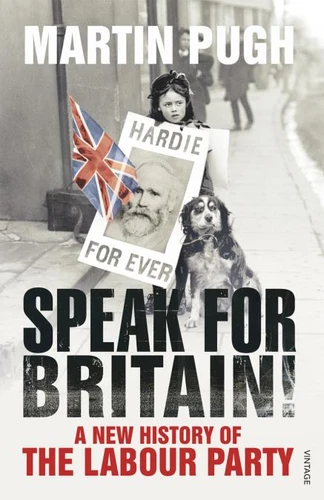
Speak for Britain!. A New History of the Labour Party
Par :Formats :
Disponible dans votre compte client Decitre ou Furet du Nord dès validation de votre commande. Le format ePub protégé est :
- Compatible avec une lecture sur My Vivlio (smartphone, tablette, ordinateur)
- Compatible avec une lecture sur liseuses Vivlio
- Pour les liseuses autres que Vivlio, vous devez utiliser le logiciel Adobe Digital Edition. Non compatible avec la lecture sur les liseuses Kindle, Remarkable et Sony
- Non compatible avec un achat hors France métropolitaine
 , qui est-ce ?
Notre partenaire de plateforme de lecture numérique où vous retrouverez l'ensemble de vos ebooks gratuitement
Pour en savoir plus sur nos ebooks, consultez notre aide en ligne ici
C'est si simple ! Lisez votre ebook avec l'app Vivlio sur votre tablette, mobile ou ordinateur :

- Nombre de pages496
- FormatePub
- ISBN978-1-4070-5155-0
- EAN9781407051550
- Date de parution24/03/2010
- Protection num.Adobe DRM
- Infos supplémentairesepub
- ÉditeurVintage Digital
Résumé
Written at a critical juncture in the history of the Labour Party, Speak for Britain! is a thought-provoking and highly original interpretation of the party's evolution, from its trade union origins to its status as a national governing party. It charts Labour's rise to power by re-examining the impact of the First World War, the general strike of 1926, Labour's breakthrough at the 1945 general election, the influence of post-war affluence and consumerism on the fortunes and character of the party, and its revival after the defeats of the Thatcher era.
Controversially, Pugh argues that Labour never entirely succeeded in becoming 'the party of the working class'; many of its influential recruits - from Oswald Mosley to Hugh Gaitskell to Tony Blair - were from middle and upper-class Conservative backgrounds and rather than converting the working class to socialism, Labour adapted itself to local and regional political cultures.
Controversially, Pugh argues that Labour never entirely succeeded in becoming 'the party of the working class'; many of its influential recruits - from Oswald Mosley to Hugh Gaitskell to Tony Blair - were from middle and upper-class Conservative backgrounds and rather than converting the working class to socialism, Labour adapted itself to local and regional political cultures.
A propos de Martin Pugh

11,99 €