SOLDES
Jusqu'à -70% sur une sélection d'articles*

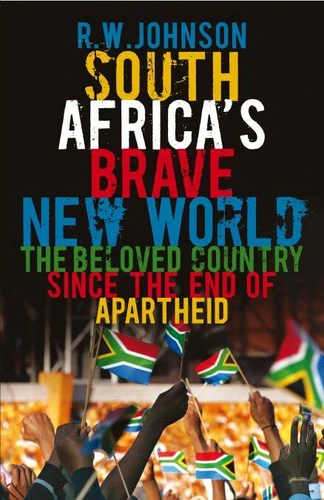
South Africa's Brave New World
Par :Formats :
Disponible dans votre compte client Decitre ou Furet du Nord dès validation de votre commande. Le format ePub protégé est :
- Compatible avec une lecture sur My Vivlio (smartphone, tablette, ordinateur)
- Compatible avec une lecture sur liseuses Vivlio
- Pour les liseuses autres que Vivlio, vous devez utiliser le logiciel Adobe Digital Edition. Non compatible avec la lecture sur les liseuses Kindle, Remarkable et Sony
- Non compatible avec un achat hors France métropolitaine
 , qui est-ce ?
Notre partenaire de plateforme de lecture numérique où vous retrouverez l'ensemble de vos ebooks gratuitement
Pour en savoir plus sur nos ebooks, consultez notre aide en ligne ici
C'est si simple ! Lisez votre ebook avec l'app Vivlio sur votre tablette, mobile ou ordinateur :

- Nombre de pages752
- FormatePub
- ISBN978-0-14-195791-3
- EAN9780141957913
- Date de parution02/04/2009
- Protection num.Adobe DRM
- Infos supplémentairesepub
- ÉditeurPENGUIN
Résumé
The universal jubilation that greeted Nelson Mandela's inauguration as president of South Africa in 1994 and the process by which the nightmare of apartheid had been banished is one of the most thrilling, hopeful stories in the modern era: peaceful, rational change was possible and, as with the fall of the Berlin Wall, the weight of an oppressive history was suddenly lifted. R. W. Johnson's major new book tells the story of South Africa from that magic period to the bitter disappointment of the present.
As it turned out, it was not so easy for South Africa to shake off its past. The profound damage of apartheid meant there was not an adequate educated black middle class to run the new state and apartheid had done great psychological harm too, issues that no amount of goodwill could wish away. Equally damaging were the new leaders, many of whom had lived in exile or in prison for much of their adult lives and who tried to impose decrepit, Eastern Bloc political ideas on a world that had long moved on.
This disastrous combination has had a terrible impact - it poisoned everything from big business to education to energy utilities to AIDS policy to relations with Zimbabwe. At the heart of the book lies the ruinous figure of Thabo Mbeki, whose over-reaching ambitions led to catastrophic failure on almost every front. But, as Johnson makes clear, Mbeki may have contributed more than anyone else to bringing South Africa close to "failed state" status, but he had plenty of help.
As it turned out, it was not so easy for South Africa to shake off its past. The profound damage of apartheid meant there was not an adequate educated black middle class to run the new state and apartheid had done great psychological harm too, issues that no amount of goodwill could wish away. Equally damaging were the new leaders, many of whom had lived in exile or in prison for much of their adult lives and who tried to impose decrepit, Eastern Bloc political ideas on a world that had long moved on.
This disastrous combination has had a terrible impact - it poisoned everything from big business to education to energy utilities to AIDS policy to relations with Zimbabwe. At the heart of the book lies the ruinous figure of Thabo Mbeki, whose over-reaching ambitions led to catastrophic failure on almost every front. But, as Johnson makes clear, Mbeki may have contributed more than anyone else to bringing South Africa close to "failed state" status, but he had plenty of help.