SOLDES
Jusqu'à -70% sur une sélection d'articles*

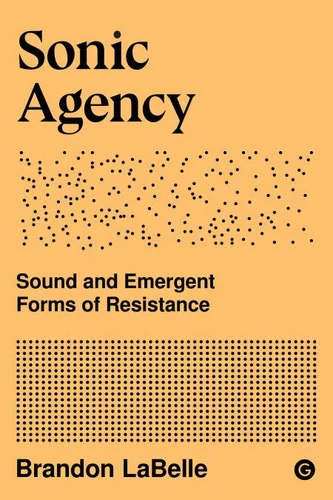
Sonic Agency. Sound and Emergent Forms of Resistance
Par :Formats :
Disponible dans votre compte client Decitre ou Furet du Nord dès validation de votre commande. Le format ePub protégé est :
- Compatible avec une lecture sur My Vivlio (smartphone, tablette, ordinateur)
- Compatible avec une lecture sur liseuses Vivlio
- Pour les liseuses autres que Vivlio, vous devez utiliser le logiciel Adobe Digital Edition. Non compatible avec la lecture sur les liseuses Kindle, Remarkable et Sony
- Non compatible avec un achat hors France métropolitaine
 , qui est-ce ?
Notre partenaire de plateforme de lecture numérique où vous retrouverez l'ensemble de vos ebooks gratuitement
Pour en savoir plus sur nos ebooks, consultez notre aide en ligne ici
C'est si simple ! Lisez votre ebook avec l'app Vivlio sur votre tablette, mobile ou ordinateur :

- Nombre de pages192
- FormatePub
- ISBN978-1-906897-54-3
- EAN9781906897543
- Date de parution16/02/2018
- Protection num.Adobe DRM
- Taille643 Ko
- Infos supplémentairesepub
- ÉditeurGoldsmiths Press
Résumé
A timely exploration of whether sound and listening can be the basis of political change. In a world dominated by the visual, could contemporary resistances be auditory? This timely and important book from Goldsmiths Press highlights sound's invisible, disruptive, and affective qualities and asks whether the unseen nature of sound can support a political transformation. In Sonic Agency, Brandon LaBelle sets out to engage contemporary social and political crises by way of sonic thought and imagination.
He divides sound's functions into four figures of resistance-the invisible, the overheard, the itinerant, and the weak-and argues for their role in creating alternative "unlikely publics" in which to foster mutuality and dissent. He highlights existing sonic cultures and social initiatives that utilize or deploy sound and listening to address conflict, and points to their work as models for a wider movement.
He considers issues of disappearance and hidden culture, nonviolence and noise, creole poetics, and networked life, aiming to unsettle traditional notions of the "space of appearance" as the condition for political action and survival. By examining the experience of listening and being heard, LaBelle illuminates a path from the fringes toward hope, citizenship, and vibrancy. In a current climate that has left many feeling they have lost their voices, it may be sound itself that restores it to them.
He divides sound's functions into four figures of resistance-the invisible, the overheard, the itinerant, and the weak-and argues for their role in creating alternative "unlikely publics" in which to foster mutuality and dissent. He highlights existing sonic cultures and social initiatives that utilize or deploy sound and listening to address conflict, and points to their work as models for a wider movement.
He considers issues of disappearance and hidden culture, nonviolence and noise, creole poetics, and networked life, aiming to unsettle traditional notions of the "space of appearance" as the condition for political action and survival. By examining the experience of listening and being heard, LaBelle illuminates a path from the fringes toward hope, citizenship, and vibrancy. In a current climate that has left many feeling they have lost their voices, it may be sound itself that restores it to them.