SOLDES
Jusqu'à -70% sur une sélection d'articles*

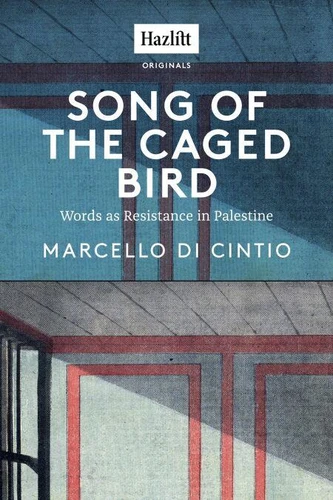
Song of the Caged Bird. Words as Resistance in Palestine
Par :Formats :
Disponible dans votre compte client Decitre ou Furet du Nord dès validation de votre commande. Le format ePub protégé est :
- Compatible avec une lecture sur My Vivlio (smartphone, tablette, ordinateur)
- Compatible avec une lecture sur liseuses Vivlio
- Pour les liseuses autres que Vivlio, vous devez utiliser le logiciel Adobe Digital Edition. Non compatible avec la lecture sur les liseuses Kindle, Remarkable et Sony
- Non compatible avec un achat hors France métropolitaine
 , qui est-ce ?
Notre partenaire de plateforme de lecture numérique où vous retrouverez l'ensemble de vos ebooks gratuitement
Pour en savoir plus sur nos ebooks, consultez notre aide en ligne ici
C'est si simple ! Lisez votre ebook avec l'app Vivlio sur votre tablette, mobile ou ordinateur :

- Nombre de pages56
- FormatePub
- ISBN978-0-345-80905-6
- EAN9780345809056
- Date de parution07/10/2014
- Protection num.Adobe DRM
- Taille2 Mo
- Infos supplémentairesepub
- ÉditeurKnopf Canada
Résumé
For political readers and anyone invested in the Israeli-Palestinian conflict, Marcello Di Cintio's Song of the Caged Bird is a refreshing look at Palestinian resistance--through literature and the power of books. When Marcello Di Cintio began teaching at the Palestine Writing Workshop in Ramallah, he avoided making reference to the occupation in his assignments at first--to see if his students addressed it on their own--and he soon learned that it touches all aspects of Palestinian life.
Curious how Palestinian literature could operate with its people so tied to a single narrative, Di Cintio began a journey through the Palestinian world of books: from the monument to the poet Mahmoud Darwish to the volumes in the Nablus Prisoners' library; from one of the West Bank's most successful bookshops to a century-old library in Jerusalem run by a family with a lineage in that city many centuries older.
What he found is a world of identity and resistance that is considerably more complex--and potentially more hopeful--than what we see splashed across our screens.
Curious how Palestinian literature could operate with its people so tied to a single narrative, Di Cintio began a journey through the Palestinian world of books: from the monument to the poet Mahmoud Darwish to the volumes in the Nablus Prisoners' library; from one of the West Bank's most successful bookshops to a century-old library in Jerusalem run by a family with a lineage in that city many centuries older.
What he found is a world of identity and resistance that is considerably more complex--and potentially more hopeful--than what we see splashed across our screens.
A propos de Marcello Di Cintio
11,99 €
7,99 €