
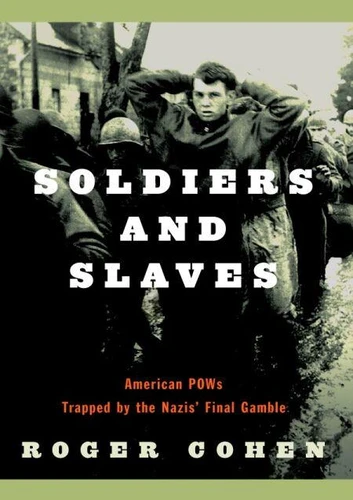
Soldiers and Slaves. American POWs Trapped by the Nazis' Final Gamble
Par :Formats :
Disponible dans votre compte client Decitre ou Furet du Nord dès validation de votre commande. Le format ePub protégé est :
- Compatible avec une lecture sur My Vivlio (smartphone, tablette, ordinateur)
- Compatible avec une lecture sur liseuses Vivlio
- Pour les liseuses autres que Vivlio, vous devez utiliser le logiciel Adobe Digital Edition. Non compatible avec la lecture sur les liseuses Kindle, Remarkable et Sony
- Non compatible avec un achat hors France métropolitaine
 , qui est-ce ?
Notre partenaire de plateforme de lecture numérique où vous retrouverez l'ensemble de vos ebooks gratuitement
Pour en savoir plus sur nos ebooks, consultez notre aide en ligne ici
C'est si simple ! Lisez votre ebook avec l'app Vivlio sur votre tablette, mobile ou ordinateur :

- Nombre de pages320
- FormatePub
- ISBN1-4000-4485-5
- EAN9781400044856
- Date de parution26/04/2005
- Protection num.Adobe DRM
- Taille2 Mo
- Infos supplémentairesepub
- ÉditeurAnchor
Résumé
In February of 1945, 350 American POWs, selected because they were Jews, thought to resemble Jews or simply by malicious caprice, were transported by cattle car to Berga, a concentration camp in eastern Germany. Here, the soldiers were worked to death, starved and brutalized; more than twenty percent died from this horrific treatment. This is one of the last untold stories of World War II, and Roger Cohen re-creates it in all its blistering detail.
Ground down by the crumbling Nazi war machine, the men prayed for salvation from the Allied troops, yet even after their liberation, their story was nearly forgotten. There was no aggressive prosecution of the commandants of the camp and the POWs received no particular recognition for their sacrifices. Cohen tells their story at last, in a stirring tale of bravery and depredation that is essential for any reader of World War II history.
Ground down by the crumbling Nazi war machine, the men prayed for salvation from the Allied troops, yet even after their liberation, their story was nearly forgotten. There was no aggressive prosecution of the commandants of the camp and the POWs received no particular recognition for their sacrifices. Cohen tells their story at last, in a stirring tale of bravery and depredation that is essential for any reader of World War II history.
A propos de Roger Cohen
13,76 €
5,72 €
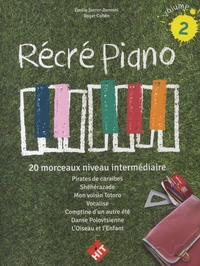
Récré piano. Volume 2
Grand Format
21,90 €
27,20 €


Récré piano. Volume 1
Grand Format
19,90 €
22,60 €