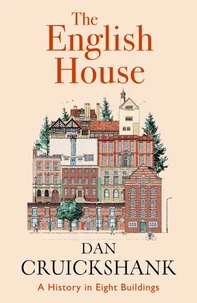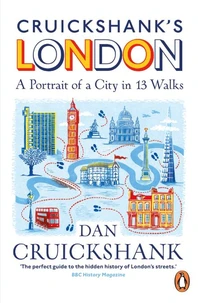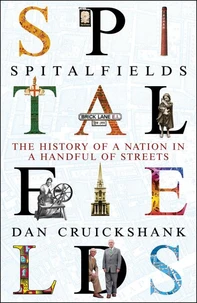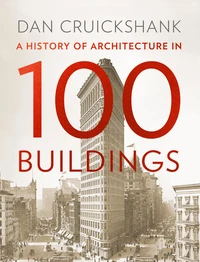
Dan Cruickshank is a regular presenter on the BBC best known for his popular BBC Two series THE BEST BUILDINGS OF BRITAIN and WHAT THE INDUSTRIAL REVOLUTION DID FOR US. He is one of Britain's leading architectural and historic building experts. He received an OBE in the 2026 New Year's Honours list.
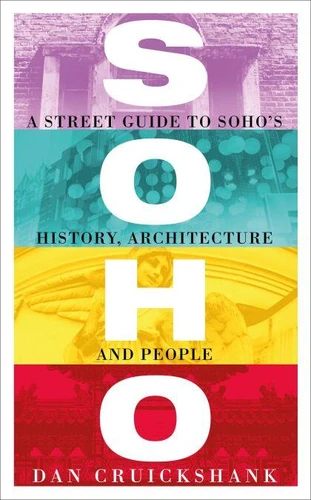
Soho. A Street Guide to Soho's History, Architecture and People
Par :Formats :
Disponible dans votre compte client Decitre ou Furet du Nord dès validation de votre commande. Le format ePub protégé est :
- Compatible avec une lecture sur My Vivlio (smartphone, tablette, ordinateur)
- Compatible avec une lecture sur liseuses Vivlio
- Pour les liseuses autres que Vivlio, vous devez utiliser le logiciel Adobe Digital Edition. Non compatible avec la lecture sur les liseuses Kindle, Remarkable et Sony
- Non compatible avec un achat hors France métropolitaine
 , qui est-ce ?
Notre partenaire de plateforme de lecture numérique où vous retrouverez l'ensemble de vos ebooks gratuitement
Pour en savoir plus sur nos ebooks, consultez notre aide en ligne ici
C'est si simple ! Lisez votre ebook avec l'app Vivlio sur votre tablette, mobile ou ordinateur :

- Nombre de pages416
- FormatePub
- ISBN978-0-297-86933-7
- EAN9780297869337
- Date de parution13/11/2019
- Protection num.Adobe DRM
- Infos supplémentairesepub
- ÉditeurWeidenfeld & Nicolson
Résumé
SOHO - ILLICIT, GLAMOROUS, SORDID, LOUCHE, POVERTY-STRICKEN, SQUALID, EXHILARATING. One of Britain's best-loved historians, Dan Cruickshank grants us an intimacy with centuries of rich and varied London history as he guides us around the Soho of the last five hundred years. We learn of its original aspirations towards respectability, how it became the city's bohemian quarter and why it was once home to its criminal underworld.
The history of Soho is written in its surviving architecture, including its bars, clubs and theatres. Cruickshank observes how the common denominator over the centuries is its appeal as a destination for immigrants: from French Huguenots to the Italian and East European Jewish community and recent Chinese diaspora - and that this is the foundation of its spirit and success. Even as he mourns some of the changes, he pays heartfelt testament to the district's resilience.
The history of Soho is written in its surviving architecture, including its bars, clubs and theatres. Cruickshank observes how the common denominator over the centuries is its appeal as a destination for immigrants: from French Huguenots to the Italian and East European Jewish community and recent Chinese diaspora - and that this is the foundation of its spirit and success. Even as he mourns some of the changes, he pays heartfelt testament to the district's resilience.