
Nouveauté
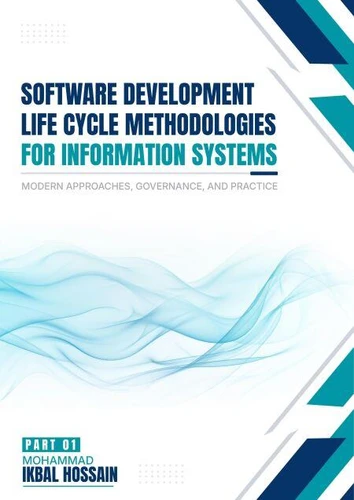
Software Development Life Cycle Methodologies For Information Systems Modern Approaches, Governance, And Practice Part I
Par :Formats :
Disponible dans votre compte client Decitre ou Furet du Nord dès validation de votre commande. Le format ePub est :
- Compatible avec une lecture sur My Vivlio (smartphone, tablette, ordinateur)
- Compatible avec une lecture sur liseuses Vivlio
- Pour les liseuses autres que Vivlio, vous devez utiliser le logiciel Adobe Digital Edition. Non compatible avec la lecture sur les liseuses Kindle, Remarkable et Sony
 , qui est-ce ?
Notre partenaire de plateforme de lecture numérique où vous retrouverez l'ensemble de vos ebooks gratuitement
Pour en savoir plus sur nos ebooks, consultez notre aide en ligne ici
C'est si simple ! Lisez votre ebook avec l'app Vivlio sur votre tablette, mobile ou ordinateur :

- FormatePub
- ISBN8233233234
- EAN9798233233234
- Date de parution09/07/2026
- Protection num.pas de protection
- Infos supplémentairesepub
- ÉditeurLinda Balsamo
Résumé
This part introduces the foundations and core methodologies of the Software Development Life Cycle in the context of modern information systems projects. The first four chapters build the conceptual foundation by explaining what SDLC means, why it remains important in the digital era, how it supports project management, and how information systems projects create business value through scope control, stakeholder involvement, governance, risk management, and requirements engineering.
These chapters also show how software development has expanded from traditional application building into broader digital transformation involving cloud platforms, data, cybersecurity, AI, APIs, user experience, and organizational change. The next four chapters examine the major SDLC methodologies used to plan and deliver systems. They discuss structured models such as Waterfall and the V-Model, learning-based models such as Incremental, Iterative, and Spiral development, and adaptive approaches such as Agile, Scrum, Kanban, Lean, Extreme Programming, and Hybrid SDLC models.
Together, Chapters 1-8 give readers a strong foundation for understanding how different SDLC approaches work, when each approach is appropriate, and how organizations can select methods that support quality, security, stakeholder needs, flexibility, documentation, and long-term system value.
These chapters also show how software development has expanded from traditional application building into broader digital transformation involving cloud platforms, data, cybersecurity, AI, APIs, user experience, and organizational change. The next four chapters examine the major SDLC methodologies used to plan and deliver systems. They discuss structured models such as Waterfall and the V-Model, learning-based models such as Incremental, Iterative, and Spiral development, and adaptive approaches such as Agile, Scrum, Kanban, Lean, Extreme Programming, and Hybrid SDLC models.
Together, Chapters 1-8 give readers a strong foundation for understanding how different SDLC approaches work, when each approach is appropriate, and how organizations can select methods that support quality, security, stakeholder needs, flexibility, documentation, and long-term system value.