SOLDES
Jusqu'à -70% sur une sélection d'articles*

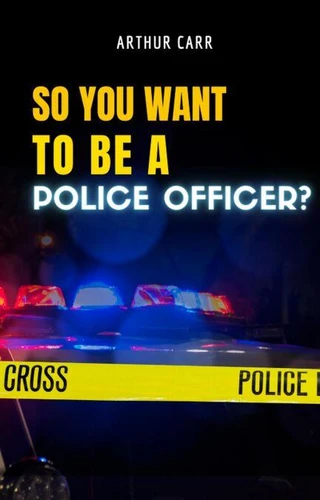
So You Want To Be A Police Officer?
Par :Formats :
Disponible dans votre compte client Decitre ou Furet du Nord dès validation de votre commande. Le format ePub est :
- Compatible avec une lecture sur My Vivlio (smartphone, tablette, ordinateur)
- Compatible avec une lecture sur liseuses Vivlio
- Pour les liseuses autres que Vivlio, vous devez utiliser le logiciel Adobe Digital Edition. Non compatible avec la lecture sur les liseuses Kindle, Remarkable et Sony
 , qui est-ce ?
Notre partenaire de plateforme de lecture numérique où vous retrouverez l'ensemble de vos ebooks gratuitement
Pour en savoir plus sur nos ebooks, consultez notre aide en ligne ici
C'est si simple ! Lisez votre ebook avec l'app Vivlio sur votre tablette, mobile ou ordinateur :

- FormatePub
- ISBN8201882396
- EAN9798201882396
- Date de parution11/04/2022
- Protection num.pas de protection
- Infos supplémentairesepub
- ÉditeurJL
Résumé
There is a long-standing joke that after God is Police; simply because whenever there is an emergency, the saying usually goes, "Oh my God, call the police!" Yet, despite this apparent importance placed on these law men and women in our society, there has been at the same time, continued discontent for the police service. Police have been viewed by societies around the world as the arm of the state that perpetuates oppression.
This book attempts to lend the reader a lens that is typically worn only by policemen and offers the reader an explanation of how complex the issue of policing can be. The book walks the reader through the police service at various levels and examines gaps that may contribute to the poor public perceptions of the service that exist. At the end, it offers merely some recommendations from the writer on how to fix the relationship between the Police and society, albeit from Trinidad and Tobago's point of view.
However, the vast majority of ideas are relatable to readers all parts of the globe. This book gives a harsh reality check and does not hold back.
This book attempts to lend the reader a lens that is typically worn only by policemen and offers the reader an explanation of how complex the issue of policing can be. The book walks the reader through the police service at various levels and examines gaps that may contribute to the poor public perceptions of the service that exist. At the end, it offers merely some recommendations from the writer on how to fix the relationship between the Police and society, albeit from Trinidad and Tobago's point of view.
However, the vast majority of ideas are relatable to readers all parts of the globe. This book gives a harsh reality check and does not hold back.