SOLDES
Jusqu'à -70% sur une sélection d'articles*

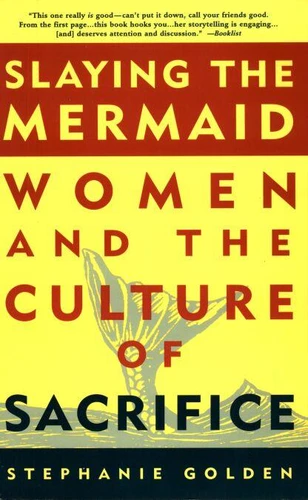
Slaying the Mermaid: Women and the Culture of Sacrifice
Par :Formats :
Disponible dans votre compte client Decitre ou Furet du Nord dès validation de votre commande. Le format ePub est :
- Compatible avec une lecture sur My Vivlio (smartphone, tablette, ordinateur)
- Compatible avec une lecture sur liseuses Vivlio
- Pour les liseuses autres que Vivlio, vous devez utiliser le logiciel Adobe Digital Edition. Non compatible avec la lecture sur les liseuses Kindle, Remarkable et Sony
 , qui est-ce ?
Notre partenaire de plateforme de lecture numérique où vous retrouverez l'ensemble de vos ebooks gratuitement
Pour en savoir plus sur nos ebooks, consultez notre aide en ligne ici
C'est si simple ! Lisez votre ebook avec l'app Vivlio sur votre tablette, mobile ou ordinateur :

- FormatePub
- ISBN978-1-4581-4983-1
- EAN9781458149831
- Date de parution06/04/2011
- Protection num.pas de protection
- Infos supplémentairesepub
- ÉditeurTauro Publishing
Résumé
Why do so many women feel obliged to put other people's needs first, even when they don't want to? The self-sacrificing impulse comes from women's history, not their nature, says Stephanie Golden. Drawing on interviews with experts and a diverse group of women, plus extensive scholarship, Golden traces the historical, cultural, and mythic factors that gave women the responsibility to sacrifice and suffer for the benefit of our entire society.
"Slaying the Mermaid" (a title inspired by Hans Christian Andersen's Little Mermaid, the ultimate self-sacrificing woman) illuminates common female experiences: the belief that being a "good mother" means endless self-sacrifice; romance, the surrender of a woman's very being to an ideal embodied in a powerful man; on-the-job "enabling" that makes the boss look good while undermining a woman's own career; the obsession with weight, which makes a virtue of self-denial.
Golden analyzes the psychological effects of the self-sacrifice mandate, then expands this theme beyond individual experience to its broader social meanings. She helps women distinguish self-destructive from positive, constructive forms of sacrifice, so they can reclaim the original meaning of sacrifice as an act that both transforms and empowers.
"Slaying the Mermaid" (a title inspired by Hans Christian Andersen's Little Mermaid, the ultimate self-sacrificing woman) illuminates common female experiences: the belief that being a "good mother" means endless self-sacrifice; romance, the surrender of a woman's very being to an ideal embodied in a powerful man; on-the-job "enabling" that makes the boss look good while undermining a woman's own career; the obsession with weight, which makes a virtue of self-denial.
Golden analyzes the psychological effects of the self-sacrifice mandate, then expands this theme beyond individual experience to its broader social meanings. She helps women distinguish self-destructive from positive, constructive forms of sacrifice, so they can reclaim the original meaning of sacrifice as an act that both transforms and empowers.
