SOLDES
Jusqu'à -70% sur une sélection d'articles*

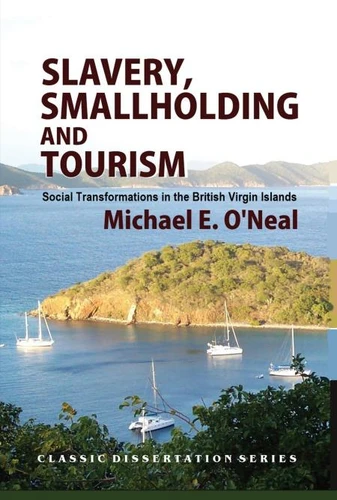
Slavery, Smallholding and Tourism: Social Transformations in the British Virgin Islands
Par :Formats :
Disponible dans votre compte client Decitre ou Furet du Nord dès validation de votre commande. Le format ePub est :
- Compatible avec une lecture sur My Vivlio (smartphone, tablette, ordinateur)
- Compatible avec une lecture sur liseuses Vivlio
- Pour les liseuses autres que Vivlio, vous devez utiliser le logiciel Adobe Digital Edition. Non compatible avec la lecture sur les liseuses Kindle, Remarkable et Sony
 , qui est-ce ?
Notre partenaire de plateforme de lecture numérique où vous retrouverez l'ensemble de vos ebooks gratuitement
Pour en savoir plus sur nos ebooks, consultez notre aide en ligne ici
C'est si simple ! Lisez votre ebook avec l'app Vivlio sur votre tablette, mobile ou ordinateur :

- FormatePub
- ISBN978-1-61027-119-6
- EAN9781610271196
- Date de parution22/03/2014
- Protection num.pas de protection
- Infos supplémentairesepub
- ÉditeurMark Childress
Résumé
This book explores the political economy of development in the British Virgin Islands - from plantations, through the evolution of a smallholding economy, to the rise of tourism. The study argues that the demise of plantation economy in the BVI ushered in a century of imperial disinterest persisting until recently, when a new "monocrop" - tourism - became ascendant. Using an historical and anthropological approach, O'Neal shows how the trend toward reliance on tourism and other dependent industries affects many BVIslanders - called the "Belongers" - in ways that echo their historical and economic heritage.
Part of the Classic Dissertation Series from Quid Pro, the book adds a new Foreword by Vassar's Colleen Ballerino Cohen and additional commentary by UC-Irvine's Bill Maurer, who shows how even the emergence of a financial services industry may be understood through the insights that O'Neal presents in his study.
Part of the Classic Dissertation Series from Quid Pro, the book adds a new Foreword by Vassar's Colleen Ballerino Cohen and additional commentary by UC-Irvine's Bill Maurer, who shows how even the emergence of a financial services industry may be understood through the insights that O'Neal presents in his study.