SOLDES
Jusqu'à -70% sur une sélection d'articles*

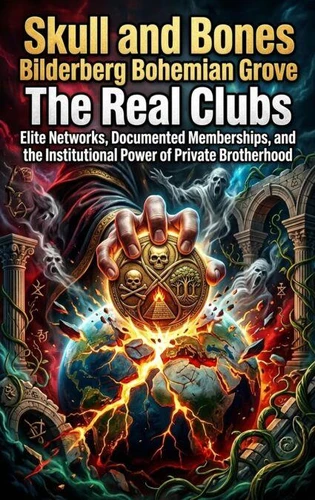
Skull and Bones Bilderberg Bohemian Grove: The Real Clubs. Elite Networks, Documented Memberships, and the Institutional Power of Private Brotherhood
Par :Formats :
Disponible dans votre compte client Decitre ou Furet du Nord dès validation de votre commande. Le format ePub est :
- Compatible avec une lecture sur My Vivlio (smartphone, tablette, ordinateur)
- Compatible avec une lecture sur liseuses Vivlio
- Pour les liseuses autres que Vivlio, vous devez utiliser le logiciel Adobe Digital Edition. Non compatible avec la lecture sur les liseuses Kindle, Remarkable et Sony
 , qui est-ce ?
Notre partenaire de plateforme de lecture numérique où vous retrouverez l'ensemble de vos ebooks gratuitement
Pour en savoir plus sur nos ebooks, consultez notre aide en ligne ici
C'est si simple ! Lisez votre ebook avec l'app Vivlio sur votre tablette, mobile ou ordinateur :

- Nombre de pages180
- FormatePub
- ISBN978-3-565-31969-5
- EAN9783565319695
- Date de parution13/03/2026
- Protection num.pas de protection
- Taille2 Mo
- Infos supplémentairesepub
- ÉditeurEmphaloz Publishing House
Résumé
Three organizations. Hundreds of documented members drawn from the uppermost ranks of government, finance, intelligence, and media. And decades of public records, leaked attendee lists, and investigative journalism that reveal far more than mythology ever could.
This book examines Skull and Bones, the Bilderberg Group, and the Bohemian Grove not as objects of speculation, but as historically traceable institutions with documented memberships, verifiable meeting records, and measurable influence on policy.
Drawing on declassified files, journalistic investigations, and academic scholarship on elite network theory, it asks a more precise question than conspiracy allows: how do informal social structures among the powerful shape formal institutional outcomes? Each organization receives its own chapter-length treatment-its founding context, membership sociology, documented activities, and the gap between what members claim these gatherings are and what the record suggests they do.
The analysis remains grounded in evidence, attentive to what is confirmed, what is inferred, and what remains genuinely unknown.
Drawing on declassified files, journalistic investigations, and academic scholarship on elite network theory, it asks a more precise question than conspiracy allows: how do informal social structures among the powerful shape formal institutional outcomes? Each organization receives its own chapter-length treatment-its founding context, membership sociology, documented activities, and the gap between what members claim these gatherings are and what the record suggests they do.
The analysis remains grounded in evidence, attentive to what is confirmed, what is inferred, and what remains genuinely unknown.