SOLDES
Jusqu'à -70% sur une sélection d'articles*

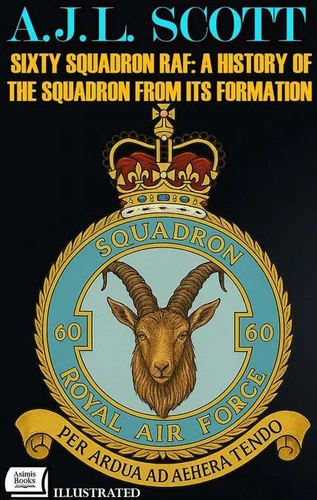
Sixty Squadron RAF: A History of the Squadron from Its Formation. Illustrated
Par :Formats :
Disponible dans votre compte client Decitre ou Furet du Nord dès validation de votre commande. Le format ePub est :
- Compatible avec une lecture sur My Vivlio (smartphone, tablette, ordinateur)
- Compatible avec une lecture sur liseuses Vivlio
- Pour les liseuses autres que Vivlio, vous devez utiliser le logiciel Adobe Digital Edition. Non compatible avec la lecture sur les liseuses Kindle, Remarkable et Sony
 , qui est-ce ?
Notre partenaire de plateforme de lecture numérique où vous retrouverez l'ensemble de vos ebooks gratuitement
Pour en savoir plus sur nos ebooks, consultez notre aide en ligne ici
C'est si simple ! Lisez votre ebook avec l'app Vivlio sur votre tablette, mobile ou ordinateur :

- Nombre de pages168
- FormatePub
- ISBN978-617-8705-09-1
- EAN9786178705091
- Date de parution02/10/2025
- Protection num.pas de protection
- Taille2 Mo
- Infos supplémentairesepub
- ÉditeurAsimis Books
Résumé
Sixty Squadron R. A. F.: A History of the Squadron from Its Formation by A. J. L. Scott is a detailed and compelling account of one of the Royal Flying Corps' (later Royal Air Force's) most distinguished squadrons during World War I. First published in 1920, the book chronicles the formation, development, and front-line service of No. 60 Squadron, offering a unique insider's perspective on early aerial warfare.
Drawing from his own experience as a commanding officer and pilot, Scott delivers a narrative rich in personal anecdotes, operational details, and tribute to the bravery of the squadron's airmen.
The book traces the squadron's combat missions over the Western Front, highlighting the evolution of aircraft, dogfighting tactics, and the emotional toll of war. Notable pilots such as Albert Ball and Billy Bishop, both famed aces, appear in the narrative, providing human faces to the broader historical context. Scott's writing is both factual and poignant, balancing military precision with deep respect for those who served. This book stands as an important primary source for historians, aviation enthusiasts, and readers interested in World War I.
It captures the pioneering spirit of early aviators and preserves the legacy of a squadron that played a vital role in shaping the future of air combat.
The book traces the squadron's combat missions over the Western Front, highlighting the evolution of aircraft, dogfighting tactics, and the emotional toll of war. Notable pilots such as Albert Ball and Billy Bishop, both famed aces, appear in the narrative, providing human faces to the broader historical context. Scott's writing is both factual and poignant, balancing military precision with deep respect for those who served. This book stands as an important primary source for historians, aviation enthusiasts, and readers interested in World War I.
It captures the pioneering spirit of early aviators and preserves the legacy of a squadron that played a vital role in shaping the future of air combat.