SOLDES
Jusqu'à -70% sur une sélection d'articles*

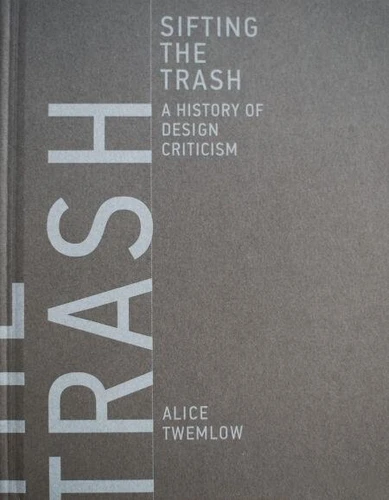
Sifting the Trash. A History of Design Criticism
Par :Formats :
Disponible dans votre compte client Decitre ou Furet du Nord dès validation de votre commande. Le format ePub protégé est :
- Compatible avec une lecture sur My Vivlio (smartphone, tablette, ordinateur)
- Compatible avec une lecture sur liseuses Vivlio
- Pour les liseuses autres que Vivlio, vous devez utiliser le logiciel Adobe Digital Edition. Non compatible avec la lecture sur les liseuses Kindle, Remarkable et Sony
- Non compatible avec un achat hors France métropolitaine
 , qui est-ce ?
Notre partenaire de plateforme de lecture numérique où vous retrouverez l'ensemble de vos ebooks gratuitement
Pour en savoir plus sur nos ebooks, consultez notre aide en ligne ici
C'est si simple ! Lisez votre ebook avec l'app Vivlio sur votre tablette, mobile ou ordinateur :

- Nombre de pages312
- FormatePub
- ISBN978-0-262-34446-3
- EAN9780262344463
- Date de parution09/06/2017
- Protection num.Adobe DRM
- Taille32 Mo
- Infos supplémentairesepub
- ÉditeurThe MIT Press
Résumé
How product design criticism has rescued some products from the trash and consigned others to the landfill. Product design criticism operates at the very brink of the landfill site, salvaging some products with praise but consigning others to its depths through condemnation or indifference. When a designed product's usefulness is past, the public happily discards it to make room for the next new thing.
Criticism rarely deals with how a product might be used, or not used, over time; it is more likely to play the enabler, encouraging our addiction to consumption. With Sifting the Trash, Alice Twemlow offers an especially timely reexamination of the history of product design criticism through the metaphors and actualities of the product as imminent junk and the consumer as junkie. Twemlow explores five key moments over the past sixty years of product design criticism.
From the mid-1950s through the 1960s, for example, critics including Reyner Banham, Deborah Allen, and Richard Hamilton wrote about the ways people actually used design, and invented a new kind of criticism. At the 1970 International Design Conference in Aspen, environmental activists protested the design establishment's lack of political engagement. In the 1980s, left-leaning cultural critics introduced ideology to British design criticism.
In the 1990s, dueling London exhibits offered alternative views of contemporary design. And in the early 2000s, professional critics were challenged by energetic design bloggers. Through the years, Twemlow shows, critics either sifted the trash and assigned value or attempted to detect, diagnose, and treat the sickness of a consumer society.
Criticism rarely deals with how a product might be used, or not used, over time; it is more likely to play the enabler, encouraging our addiction to consumption. With Sifting the Trash, Alice Twemlow offers an especially timely reexamination of the history of product design criticism through the metaphors and actualities of the product as imminent junk and the consumer as junkie. Twemlow explores five key moments over the past sixty years of product design criticism.
From the mid-1950s through the 1960s, for example, critics including Reyner Banham, Deborah Allen, and Richard Hamilton wrote about the ways people actually used design, and invented a new kind of criticism. At the 1970 International Design Conference in Aspen, environmental activists protested the design establishment's lack of political engagement. In the 1980s, left-leaning cultural critics introduced ideology to British design criticism.
In the 1990s, dueling London exhibits offered alternative views of contemporary design. And in the early 2000s, professional critics were challenged by energetic design bloggers. Through the years, Twemlow shows, critics either sifted the trash and assigned value or attempted to detect, diagnose, and treat the sickness of a consumer society.