SOLDES
Jusqu'à -70% sur une sélection d'articles*

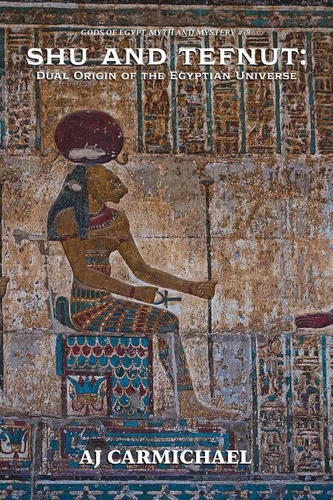
Shu and Tefnut: Dual Origin of the Egyptian Universe. Gods of Egypt, Myth and Mystery, #18
Par :Formats :
Disponible dans votre compte client Decitre ou Furet du Nord dès validation de votre commande. Le format ePub est :
- Compatible avec une lecture sur My Vivlio (smartphone, tablette, ordinateur)
- Compatible avec une lecture sur liseuses Vivlio
- Pour les liseuses autres que Vivlio, vous devez utiliser le logiciel Adobe Digital Edition. Non compatible avec la lecture sur les liseuses Kindle, Remarkable et Sony
 , qui est-ce ?
Notre partenaire de plateforme de lecture numérique où vous retrouverez l'ensemble de vos ebooks gratuitement
Pour en savoir plus sur nos ebooks, consultez notre aide en ligne ici
C'est si simple ! Lisez votre ebook avec l'app Vivlio sur votre tablette, mobile ou ordinateur :

- FormatePub
- ISBN8233627156
- EAN9798233627156
- Date de parution25/03/2026
- Protection num.pas de protection
- Infos supplémentairesepub
- ÉditeurLinda Balsamo
Résumé
Shu and Tefnut: Dual Origin of the Egyptian UniverseBefore the rise of gods, before temples crowned the Nile, and before myth became story, the ancient Egyptians asked a question that still echoes today: how does a world begin? Their answer was not chaos, nor conflict-but balance. From the silent unity of Atum emerged two forces-Shu, the breath of air, and Tefnut, the subtle power of moisture-together forming the first division that made existence possible.
This book explores the hidden architecture of Egyptian cosmology, where creation unfolds not through violence, but through separation and sustenance. Shu lifts the sky, creating space; Tefnut fills that space with life. From their union, the cosmos takes shape. Through archaeology, inscriptions, and ancient theology, this work reveals how the Egyptians understood the universe as a living system-held in equilibrium by forces that are both invisible and essential.
It is a journey into the earliest structure of reality, where the world begins not with one, but with two.
This book explores the hidden architecture of Egyptian cosmology, where creation unfolds not through violence, but through separation and sustenance. Shu lifts the sky, creating space; Tefnut fills that space with life. From their union, the cosmos takes shape. Through archaeology, inscriptions, and ancient theology, this work reveals how the Egyptians understood the universe as a living system-held in equilibrium by forces that are both invisible and essential.
It is a journey into the earliest structure of reality, where the world begins not with one, but with two.