


Dr. Mogana S. Flomo, Jr. is a highly accomplished and versatile individual, with expertise in several fields including education, agriculture, public health, and social sector leadership. He was born on February 13, 1976, in Jorwah, Panta District, Bong County, Republic of Liberia, to Prof. and Mrs. Mogana S. Flomo, Sr. Dr. Flomo is the Founder of the Center for Environmental and Public Health Research (CEPRES) Inc.
and CEPRES International University in Liberia. He has over 25 years of experience in teaching at various universities in Liberia, including Cuttington University, Bong County Technical College, and CEPRES International University. Dr. Flomo currently serves as a Special Technical Consultant to the National Commission on Higher Education and is the immediate Former Minister of Agriculture of the Republic of Liberia.
Apart from his roles in education and agriculture, Dr. Flomo is also involved in politics and public service. He has served as Board Chairman and member of many organizations, institutions, and agencies of government, including Youth for Positive Transformation Initiative (YOPTI), Liberia Initiative for Developmental Services (LIDS), National Public Health Institute of Liberia (NPHIL), National Fisheries and Aquaculture Authority (NaFAA), Central Agriculture Research Institute (CARI), Forestry Development Authority (FDA) of Liberia, Booker Washington Institute, Liberia Bank for Development and Investment (LBDI), and several others.
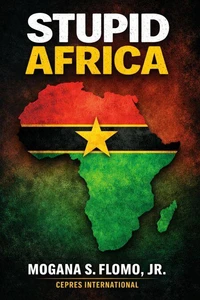
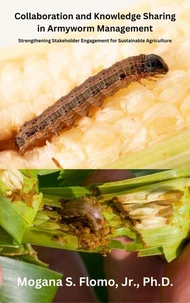
Dr. Flomo is an accomplished author with several publications in health, education, and agriculture, as well as a book on Decision Making. He is the Head of the Africa Mission of the International Academic and Management Association (IAMA), headquartered in Delhi, India. Dr. Flomo's passion for human development is evident in his work and involvement in youth-focused initiatives. He has worked extensively with communities, including farming groups in rural Liberia, for more than ten years.
Dr. Flomo is also an environmentalist and a public health professional with a keen interest in improving Liberia's food security and education system. Dr. Flomo is an expert in several software programs, including Statistics Software (STATA, Python, and R), Music Software (Cakewalk Pro-audio, Cakewalk Sonar Producer Edition, and more), and has excellent skills in setting up and managing several Distance Education Platforms.
and CEPRES International University in Liberia. He has over 25 years of experience in teaching at various universities in Liberia, including Cuttington University, Bong County Technical College, and CEPRES International University. Dr. Flomo currently serves as a Special Technical Consultant to the National Commission on Higher Education and is the immediate Former Minister of Agriculture of the Republic of Liberia.
Apart from his roles in education and agriculture, Dr. Flomo is also involved in politics and public service. He has served as Board Chairman and member of many organizations, institutions, and agencies of government, including Youth for Positive Transformation Initiative (YOPTI), Liberia Initiative for Developmental Services (LIDS), National Public Health Institute of Liberia (NPHIL), National Fisheries and Aquaculture Authority (NaFAA), Central Agriculture Research Institute (CARI), Forestry Development Authority (FDA) of Liberia, Booker Washington Institute, Liberia Bank for Development and Investment (LBDI), and several others.
Dr. Flomo is an accomplished author with several publications in health, education, and agriculture, as well as a book on Decision Making. He is the Head of the Africa Mission of the International Academic and Management Association (IAMA), headquartered in Delhi, India. Dr. Flomo's passion for human development is evident in his work and involvement in youth-focused initiatives. He has worked extensively with communities, including farming groups in rural Liberia, for more than ten years.
Dr. Flomo is also an environmentalist and a public health professional with a keen interest in improving Liberia's food security and education system. Dr. Flomo is an expert in several software programs, including Statistics Software (STATA, Python, and R), Music Software (Cakewalk Pro-audio, Cakewalk Sonar Producer Edition, and more), and has excellent skills in setting up and managing several Distance Education Platforms.