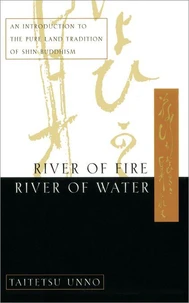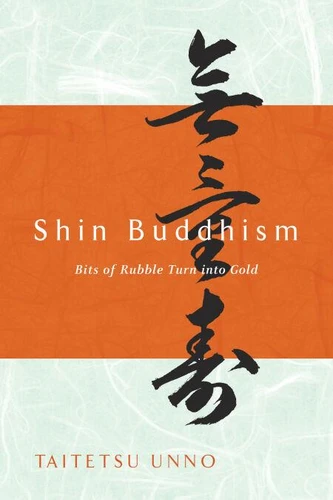
Shin Buddhism. Bits of Rubble Turn into Gold
Par :Formats :
Disponible dans votre compte client Decitre ou Furet du Nord dès validation de votre commande. Le format ePub protégé est :
- Compatible avec une lecture sur My Vivlio (smartphone, tablette, ordinateur)
- Compatible avec une lecture sur liseuses Vivlio
- Pour les liseuses autres que Vivlio, vous devez utiliser le logiciel Adobe Digital Edition. Non compatible avec la lecture sur les liseuses Kindle, Remarkable et Sony
- Non compatible avec un achat hors France métropolitaine
 , qui est-ce ?
Notre partenaire de plateforme de lecture numérique où vous retrouverez l'ensemble de vos ebooks gratuitement
Pour en savoir plus sur nos ebooks, consultez notre aide en ligne ici
C'est si simple ! Lisez votre ebook avec l'app Vivlio sur votre tablette, mobile ou ordinateur :

- Nombre de pages288
- FormatePub
- ISBN0-385-50470-5
- EAN9780385504706
- Date de parution17/09/2002
- Protection num.Adobe DRM
- Taille586 Ko
- Infos supplémentairesepub
- ÉditeurHarmony
Résumé
Interest in Buddhism continues to grow throughout North America, and more and more readers are moving beyond the familiar Zen and Tibetan traditions to examine other types of Buddhism. In Shin Buddhism, Taitetsu Unno explains the philosophy anc practices of "Pure Land" Buddhism, which dates back to the sixth century C. E., when Buddhism was first introduced in Japan. While Zen Buddhism flourished in remote monasteries, the Pure Land tradition was adopted by the common people.
With a combination of spiritual insight and unparalled scholoarship, the author describes the literature, history, and principles of this form of Buddhism and illuminates the ways in which it embodies this religion's most basic tenet: "No human life should be wasted, abandoned, or forgotten but should be transformed into a source of vibrant life, deep wisdom, and compassionate living." As a practice that evolved to harmonize with the realities of everyday life, Shin Buddhism will be particularly attractive to contemporary Western readers.
With a combination of spiritual insight and unparalled scholoarship, the author describes the literature, history, and principles of this form of Buddhism and illuminates the ways in which it embodies this religion's most basic tenet: "No human life should be wasted, abandoned, or forgotten but should be transformed into a source of vibrant life, deep wisdom, and compassionate living." As a practice that evolved to harmonize with the realities of everyday life, Shin Buddhism will be particularly attractive to contemporary Western readers.