SOLDES
Jusqu'à -70% sur une sélection d'articles*

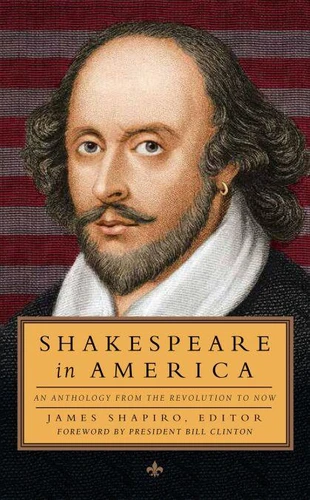
Shakespeare in America: An Anthology from the Revolution to Now (LOA #251)
Par : , ,Formats :
Disponible dans votre compte client Decitre ou Furet du Nord dès validation de votre commande. Le format ePub protégé est :
- Compatible avec une lecture sur My Vivlio (smartphone, tablette, ordinateur)
- Compatible avec une lecture sur liseuses Vivlio
- Pour les liseuses autres que Vivlio, vous devez utiliser le logiciel Adobe Digital Edition. Non compatible avec la lecture sur les liseuses Kindle, Remarkable et Sony
- Non compatible avec un achat hors France métropolitaine
 , qui est-ce ?
Notre partenaire de plateforme de lecture numérique où vous retrouverez l'ensemble de vos ebooks gratuitement
Pour en savoir plus sur nos ebooks, consultez notre aide en ligne ici
C'est si simple ! Lisez votre ebook avec l'app Vivlio sur votre tablette, mobile ou ordinateur :

- Nombre de pages688
- FormatePub
- ISBN978-1-59853-463-4
- EAN9781598534634
- Date de parution01/04/2014
- Protection num.Adobe DRM
- Taille5 Mo
- Infos supplémentairesepub
- ÉditeurLibrary of America
Résumé
An anthology that traces how Shakespeare has shaped American history and culture-featuring pieces by Founding Fathers, Orson Welles, and other noteworthy figures "The history of Shakespeare in America, " writes James Shapiro in his introduction to this groundbreaking anthology, "is also the history of America itself." Shakespeare was a central, inescapable part of America's literary inheritance, and a prism through which crucial American issues-revolution, slavery, war, social justice-were refracted and understood.
In tracing the many surprising forms this influence took, Shapiro draws on many genres-poetry, fiction, essays, plays, memoirs, songs, speeches, letters, movie reviews, comedy routines-and on a remarkable range of American writers from Emerson, Melville, Lincoln, and Mark Twain to James Agee, John Berryman, Pauline Kael, and Cynthia Ozick. Americans of the revolutionary era ponder the question "to sign or not to sign;" Othello becomes the focal point of debates on race; the Astor Place riots, set off by a production of Macbeth, attest to the violent energies aroused by theatrical controversies; Jane Addams finds in King Lear a metaphor for American struggles between capital and labor.
Orson Welles revolutionizes approaches to Shakespeare with his legendary productions of Macbeth and Julius Caesar; American actors from Charlotte Cushman and Ira Aldridge to John Barrymore, Paul Robeson, and Marlon Brando reimagine Shakespeare for each new era. The rich and tangled story of how Americans made Shakespeare their own is a literary and historical revelation. As a special feature, the book includes a foreword by Bill Clinton, among the latest in a long line of American presidents, including John Adams, John Quincy Adams, and Abraham Lincoln, who, as the collection demonstrates, have turned to Shakespeare's plays for inspiration.
In tracing the many surprising forms this influence took, Shapiro draws on many genres-poetry, fiction, essays, plays, memoirs, songs, speeches, letters, movie reviews, comedy routines-and on a remarkable range of American writers from Emerson, Melville, Lincoln, and Mark Twain to James Agee, John Berryman, Pauline Kael, and Cynthia Ozick. Americans of the revolutionary era ponder the question "to sign or not to sign;" Othello becomes the focal point of debates on race; the Astor Place riots, set off by a production of Macbeth, attest to the violent energies aroused by theatrical controversies; Jane Addams finds in King Lear a metaphor for American struggles between capital and labor.
Orson Welles revolutionizes approaches to Shakespeare with his legendary productions of Macbeth and Julius Caesar; American actors from Charlotte Cushman and Ira Aldridge to John Barrymore, Paul Robeson, and Marlon Brando reimagine Shakespeare for each new era. The rich and tangled story of how Americans made Shakespeare their own is a literary and historical revelation. As a special feature, the book includes a foreword by Bill Clinton, among the latest in a long line of American presidents, including John Adams, John Quincy Adams, and Abraham Lincoln, who, as the collection demonstrates, have turned to Shakespeare's plays for inspiration.
A propos de Various

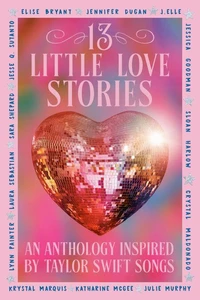
13 little love stories
E-book
9,99 €
19,61 €


0,99 €
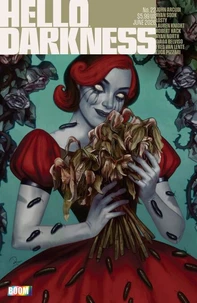
Hello Darkness #22
E-book
4,90 €

The Buddha Way
E-book
2,93 €
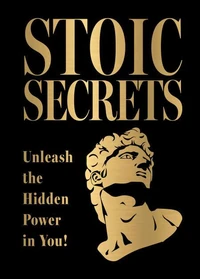
Stoic Secrets
E-book
2,93 €

3,49 €

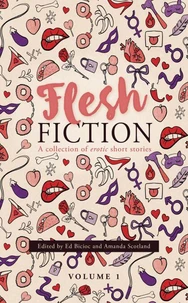
4,49 €

Hello Darkness #21
E-book
5,88 €

Hello Body Horror #1
E-book
5,88 €
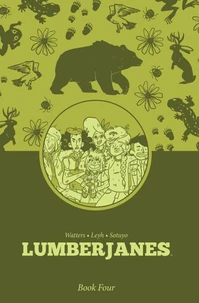
Lumberjanes Book Four
E-book
19,61 €
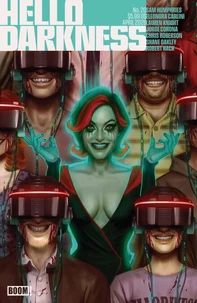
Hello Darkness #20
E-book
5,88 €

50,03 €
5,88 €