The author is a dedicated scholar with a lifelong fascination for History and Crime. This interest, nurtured since childhood, forms the bedrock of their work. They hold a postgraduate-level education, with advanced studies in the fields of Business and Computing, a background that lends a unique structural perspective to their research. A committed autodidact, the author dedicates their free time to extensive, self-directed study, drawing upon decades of intellectual curiosity to inform their writing.
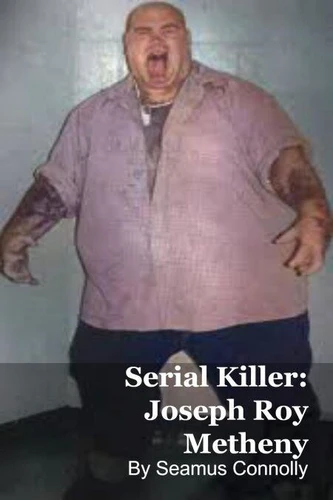
Serial Killer: Joseph Roy Metheny
Par :Formats :
Disponible dans votre compte client Decitre ou Furet du Nord dès validation de votre commande. Le format ePub est :
- Compatible avec une lecture sur My Vivlio (smartphone, tablette, ordinateur)
- Compatible avec une lecture sur liseuses Vivlio
- Pour les liseuses autres que Vivlio, vous devez utiliser le logiciel Adobe Digital Edition. Non compatible avec la lecture sur les liseuses Kindle, Remarkable et Sony
 , qui est-ce ?
Notre partenaire de plateforme de lecture numérique où vous retrouverez l'ensemble de vos ebooks gratuitement
Pour en savoir plus sur nos ebooks, consultez notre aide en ligne ici
C'est si simple ! Lisez votre ebook avec l'app Vivlio sur votre tablette, mobile ou ordinateur :

- FormatePub
- ISBN8232078430
- EAN9798232078430
- Date de parution29/11/2025
- Protection num.pas de protection
- Infos supplémentairesepub
- ÉditeurDraft2Digital
Résumé
Serial Killer: Joseph Roy MethenyJoseph Roy Metheny was convicted of kidnapping, raping, and murdering two young women in 1990s Baltimore. These crimes, proven through physical evidence and forensic analysis, should have been his entire legacy. Instead, Metheny became internationally notorious as "Joe the Cannibal"-a thirteen-victim serial killer who allegedly practiced cannibalism and served human flesh as hamburgers at a roadside BBQ stand.
None of these sensational claims were ever verified. No additional bodies were found. No evidence of cannibalism existed. No BBQ stand could be documented. Yet the mythology spread globally through true crime media, algorithmic amplification, and cultural appetite for shocking narratives. Metheny's fabrications, designed to satisfy his narcissistic need for notoriety, succeeded completely-transforming a double murderer into a legendary monster.
This comprehensive examination distinguishes verified facts from unproven claims, analyzes how confession without evidence became accepted as truth, explores the systematic failures that made vulnerable women targets, and documents how actual victims-Kimberly Spicer and Cathy Magaziner-were forgotten beneath sensational fiction. The case reveals troubling truths about true crime culture, about the power of mythology over facts, and about why we believe horrifying stories despite absence of proof.
It stands as both cautionary tale and call for epistemic responsibility in an era where entertainment routinely eclipses truth.
None of these sensational claims were ever verified. No additional bodies were found. No evidence of cannibalism existed. No BBQ stand could be documented. Yet the mythology spread globally through true crime media, algorithmic amplification, and cultural appetite for shocking narratives. Metheny's fabrications, designed to satisfy his narcissistic need for notoriety, succeeded completely-transforming a double murderer into a legendary monster.
This comprehensive examination distinguishes verified facts from unproven claims, analyzes how confession without evidence became accepted as truth, explores the systematic failures that made vulnerable women targets, and documents how actual victims-Kimberly Spicer and Cathy Magaziner-were forgotten beneath sensational fiction. The case reveals troubling truths about true crime culture, about the power of mythology over facts, and about why we believe horrifying stories despite absence of proof.
It stands as both cautionary tale and call for epistemic responsibility in an era where entertainment routinely eclipses truth.