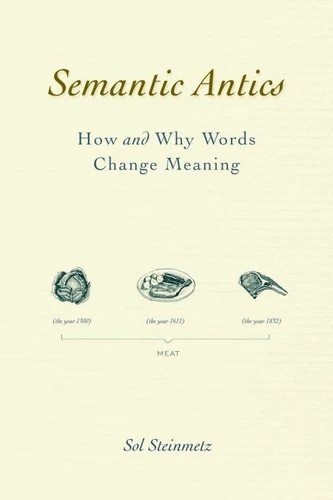
Semantic Antics. How and Why Words Change Meaning
Par :Formats :
Disponible dans votre compte client Decitre ou Furet du Nord dès validation de votre commande. Le format ePub protégé est :
- Compatible avec une lecture sur My Vivlio (smartphone, tablette, ordinateur)
- Compatible avec une lecture sur liseuses Vivlio
- Pour les liseuses autres que Vivlio, vous devez utiliser le logiciel Adobe Digital Edition. Non compatible avec la lecture sur les liseuses Kindle, Remarkable et Sony
- Non compatible avec un achat hors France métropolitaine
 , qui est-ce ?
Notre partenaire de plateforme de lecture numérique où vous retrouverez l'ensemble de vos ebooks gratuitement
Pour en savoir plus sur nos ebooks, consultez notre aide en ligne ici
C'est si simple ! Lisez votre ebook avec l'app Vivlio sur votre tablette, mobile ou ordinateur :

- Nombre de pages288
- FormatePub
- ISBN978-0-307-49778-9
- EAN9780307497789
- Date de parution04/02/2009
- Protection num.Adobe DRM
- Taille2 Mo
- Infos supplémentairesepub
- ÉditeurRandom House Reference
Résumé
"My favorite popular word book of the year"-William Safire, NY Times 6/22/2008A fun, new approach to examining etymology!Many common English words started out with an entirely different meaning than the one we know today. For example:The word adamant came into English around 855 C. E. as a synonym for 'diamond, ' very different from today's meaning of the word: "utterly unyielding in attitude or opinion."Before the year 1200, the word silly meant "blessed, " and was derived from Old English saelig, meaning "happy." This word went through several incarnations before adopting today's meaning: "stupid or foolish."In Semantic Antics, lexicographer Sol Steinmetz takes readers on an in-depth, fascinating journey to learn how hundreds of words have evolved from their first meaning to the meanings used today.