SOLDES
Jusqu'à -70% sur une sélection d'articles*

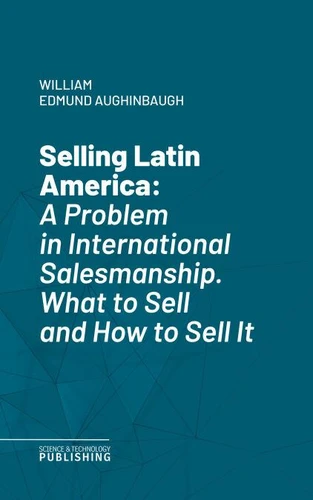
Selling Latin America. A Problem in International Salesmanship.What to Sell and How to Sell It
Par :Formats :
Disponible dans votre compte client Decitre ou Furet du Nord dès validation de votre commande. Le format ePub est :
- Compatible avec une lecture sur My Vivlio (smartphone, tablette, ordinateur)
- Compatible avec une lecture sur liseuses Vivlio
- Pour les liseuses autres que Vivlio, vous devez utiliser le logiciel Adobe Digital Edition. Non compatible avec la lecture sur les liseuses Kindle, Remarkable et Sony
 , qui est-ce ?
Notre partenaire de plateforme de lecture numérique où vous retrouverez l'ensemble de vos ebooks gratuitement
Pour en savoir plus sur nos ebooks, consultez notre aide en ligne ici
C'est si simple ! Lisez votre ebook avec l'app Vivlio sur votre tablette, mobile ou ordinateur :

- FormatePub
- ISBN978-2-5281-1681-4
- EAN9782528116814
- Date de parution01/09/2025
- Protection num.pas de protection
- Infos supplémentairesepub
- ÉditeurScience & Technology Publishing
Résumé
Selling Latin America: A Problem in International Salesmanship. What to Sell and How to Sell It is a comprehensive guidebook authored by William Edmund Aughinbaugh, designed to illuminate the complexities and opportunities of conducting business in Latin American markets during the early 20th century. Drawing on the author's extensive experience and research, the book provides a detailed analysis of the economic, social, and cultural factors that influence trade between the United States and Latin American countries.
It explores the unique characteristics of Latin American consumers, the types of products in demand, and the most effective strategies for entering and succeeding in these diverse markets. The book delves into the challenges faced by American exporters, such as language barriers, differences in business customs, and the importance of building personal relationships. Aughinbaugh emphasizes the necessity of understanding local preferences, adapting products to meet regional tastes, and respecting the traditions and values of Latin American buyers.
He offers practical advice on marketing techniques, salesmanship, and negotiation tactics tailored specifically to the Latin American context. In addition to practical sales guidance, Selling Latin America provides valuable insights into the political and economic landscape of the region, including discussions of tariffs, trade regulations, and the impact of infrastructure on commerce. The author highlights the potential for growth in sectors such as machinery, textiles, food products, and manufactured goods, while cautioning against common pitfalls and misconceptions.
Rich with anecdotes, case studies, and real-world examples, the book serves as both a manual for business professionals and a fascinating historical document. It captures the spirit of early 20th-century international trade and offers timeless lessons on cross-cultural communication, adaptability, and the art of successful selling in foreign markets. Whether for historians, business students, or entrepreneurs, Selling Latin America remains a valuable resource for understanding the dynamics of international salesmanship and the enduring importance of cultural intelligence in global commerce.
It explores the unique characteristics of Latin American consumers, the types of products in demand, and the most effective strategies for entering and succeeding in these diverse markets. The book delves into the challenges faced by American exporters, such as language barriers, differences in business customs, and the importance of building personal relationships. Aughinbaugh emphasizes the necessity of understanding local preferences, adapting products to meet regional tastes, and respecting the traditions and values of Latin American buyers.
He offers practical advice on marketing techniques, salesmanship, and negotiation tactics tailored specifically to the Latin American context. In addition to practical sales guidance, Selling Latin America provides valuable insights into the political and economic landscape of the region, including discussions of tariffs, trade regulations, and the impact of infrastructure on commerce. The author highlights the potential for growth in sectors such as machinery, textiles, food products, and manufactured goods, while cautioning against common pitfalls and misconceptions.
Rich with anecdotes, case studies, and real-world examples, the book serves as both a manual for business professionals and a fascinating historical document. It captures the spirit of early 20th-century international trade and offers timeless lessons on cross-cultural communication, adaptability, and the art of successful selling in foreign markets. Whether for historians, business students, or entrepreneurs, Selling Latin America remains a valuable resource for understanding the dynamics of international salesmanship and the enduring importance of cultural intelligence in global commerce.