SOLDES
Jusqu'à -70% sur une sélection d'articles*

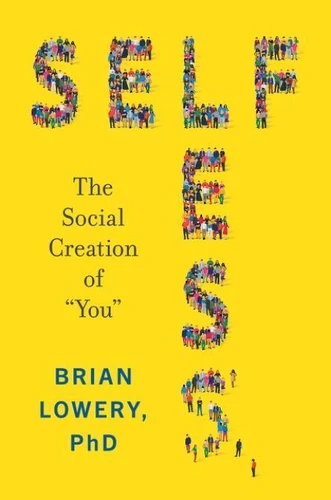
Selfless. The Social Creation of “You”
Par :Formats :
Disponible dans votre compte client Decitre ou Furet du Nord dès validation de votre commande. Le format ePub protégé est :
- Compatible avec une lecture sur My Vivlio (smartphone, tablette, ordinateur)
- Compatible avec une lecture sur liseuses Vivlio
- Pour les liseuses autres que Vivlio, vous devez utiliser le logiciel Adobe Digital Edition. Non compatible avec la lecture sur les liseuses Kindle, Remarkable et Sony
- Non compatible avec un achat hors France métropolitaine
 , qui est-ce ?
Notre partenaire de plateforme de lecture numérique où vous retrouverez l'ensemble de vos ebooks gratuitement
Pour en savoir plus sur nos ebooks, consultez notre aide en ligne ici
C'est si simple ! Lisez votre ebook avec l'app Vivlio sur votre tablette, mobile ou ordinateur :

- Nombre de pages400
- FormatePub
- ISBN978-0-06-291303-6
- EAN9780062913036
- Date de parution28/03/2023
- Protection num.Adobe DRM
- Infos supplémentairesepub
- ÉditeurHarper
Résumé
A Best Book of 2023 by Inc. Social psychologist and Stanford professor Brian Lowery presents a provocative, powerful theory of identity, arguing that there is no essential "self"-our selves are social creations of those with whom we interact -exploring what that means for who we can be and who we allow others to be. There's nothing we spend more time with, but understand less, than ourselves. You've been with yourself every waking moment of your life.
But who-or, rather, what-are you? In Selfless, Brian Lowery argues for the radical idea that the "self" as we know it-that "voice in your head"-is a social construct, created in our relationships and social interactions. We are unique because our individual pattern of relationships is unique. We change because our relationships change. Your self isn't just you, it's all around you. Lowery uses this research-driven perspective of selfhood to explore questions of inequity, race, gender, politics, and power structures, transforming our perceptions of how the world is and how it could be.
His theory offers insight into how powerful people manage their environment in sophisticated, often unconscious, ways to maintain the status quo; explains our competing drives for deep social connection and personal freedom; and answers profound, personal questions such as: Why has my sense of self evolved over time? Why do I sometimes stop short of changes that I want to make in life?In Selfless, Lowery persuasively breaks down common assumptions and beliefs; his insights are humbling.
Despite what many may think, we aren't islands unto ourselves; we are the creation of the many hands that touch us. We don't just exist in communities, we are created and shaped by them. Our highs and lows are not only our own but belong to others as well. By recognizing that we are products of relationships-from fleeting transactions to deep associations-we shatter the myth of individualism and free ourselves to make our lives and the world accordingly.
But who-or, rather, what-are you? In Selfless, Brian Lowery argues for the radical idea that the "self" as we know it-that "voice in your head"-is a social construct, created in our relationships and social interactions. We are unique because our individual pattern of relationships is unique. We change because our relationships change. Your self isn't just you, it's all around you. Lowery uses this research-driven perspective of selfhood to explore questions of inequity, race, gender, politics, and power structures, transforming our perceptions of how the world is and how it could be.
His theory offers insight into how powerful people manage their environment in sophisticated, often unconscious, ways to maintain the status quo; explains our competing drives for deep social connection and personal freedom; and answers profound, personal questions such as: Why has my sense of self evolved over time? Why do I sometimes stop short of changes that I want to make in life?In Selfless, Lowery persuasively breaks down common assumptions and beliefs; his insights are humbling.
Despite what many may think, we aren't islands unto ourselves; we are the creation of the many hands that touch us. We don't just exist in communities, we are created and shaped by them. Our highs and lows are not only our own but belong to others as well. By recognizing that we are products of relationships-from fleeting transactions to deep associations-we shatter the myth of individualism and free ourselves to make our lives and the world accordingly.