OFFRE LISEUSES
Une liseuse achetée = une housse offerte* jusqu'au 21 juin

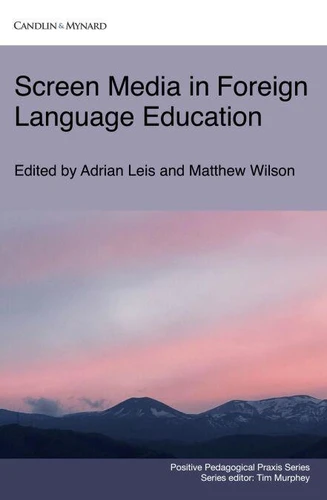
Screen Media in Foreign Language Education. Positive Pedagogical Praxis
Par : ,Formats :
Disponible dans votre compte client Decitre ou Furet du Nord dès validation de votre commande. Le format ePub est :
- Compatible avec une lecture sur My Vivlio (smartphone, tablette, ordinateur)
- Compatible avec une lecture sur liseuses Vivlio
- Pour les liseuses autres que Vivlio, vous devez utiliser le logiciel Adobe Digital Edition. Non compatible avec la lecture sur les liseuses Kindle, Remarkable et Sony
 , qui est-ce ?
Notre partenaire de plateforme de lecture numérique où vous retrouverez l'ensemble de vos ebooks gratuitement
Pour en savoir plus sur nos ebooks, consultez notre aide en ligne ici
C'est si simple ! Lisez votre ebook avec l'app Vivlio sur votre tablette, mobile ou ordinateur :

- FormatePub
- ISBN8232629687
- EAN9798232629687
- Date de parution08/10/2025
- Protection num.pas de protection
- Infos supplémentairesepub
- ÉditeurDraft2Digital
Résumé
How can screen-based technologies transform the way we teach and learn languages? Screen Media in Foreign Language Education brings together a diverse collection of studies that answer this question by examining how videos, films, mobile devices, and other screen media are used to support language development in dynamic and meaningful ways. Edited by Adrian Leis and Matthew Wilson, the book features ten chapters grounded in key theoretical perspectives, including multimodal learning theory, sociocultural theory, cognitive load theory, and media literacy.
Together, they offer a comprehensive framework for understanding how screen media can enhance language instruction and student engagement. The book explores practical applications ranging from video-based pronunciation tools to subtitled media for developing intercultural competence. Whether you're interested in flipped learning, media-rich writing tasks, or the incidental learning of vocabulary, each chapter provides actionable insights and research-based evidence.
This volume is essential reading for language educators, curriculum designers, and researchers seeking to harness the power of screen media to improve foreign language teaching and learning in today's digital age.
Together, they offer a comprehensive framework for understanding how screen media can enhance language instruction and student engagement. The book explores practical applications ranging from video-based pronunciation tools to subtitled media for developing intercultural competence. Whether you're interested in flipped learning, media-rich writing tasks, or the incidental learning of vocabulary, each chapter provides actionable insights and research-based evidence.
This volume is essential reading for language educators, curriculum designers, and researchers seeking to harness the power of screen media to improve foreign language teaching and learning in today's digital age.