SOLDES
Jusqu'à -70% sur une sélection d'articles*

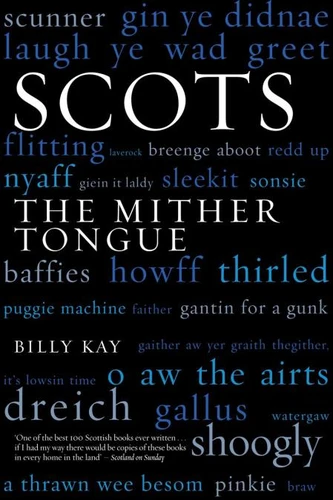
Scots. The Mither Tongue
Par :Formats :
Disponible dans votre compte client Decitre ou Furet du Nord dès validation de votre commande. Le format ePub protégé est :
- Compatible avec une lecture sur My Vivlio (smartphone, tablette, ordinateur)
- Compatible avec une lecture sur liseuses Vivlio
- Pour les liseuses autres que Vivlio, vous devez utiliser le logiciel Adobe Digital Edition. Non compatible avec la lecture sur les liseuses Kindle, Remarkable et Sony
- Non compatible avec un achat hors France métropolitaine
 , qui est-ce ?
Notre partenaire de plateforme de lecture numérique où vous retrouverez l'ensemble de vos ebooks gratuitement
Pour en savoir plus sur nos ebooks, consultez notre aide en ligne ici
C'est si simple ! Lisez votre ebook avec l'app Vivlio sur votre tablette, mobile ou ordinateur :

- Nombre de pages224
- FormatePub
- ISBN978-1-78057-418-9
- EAN9781780574189
- Date de parution06/01/2012
- Protection num.Adobe DRM
- Infos supplémentairesepub
- ÉditeurMainstream Digital
Résumé
Scots: The Mither Tongue is a classic of contemporary Scottish culture and essential reading for those who care about their country's identity in the twenty-first century. It is a passionately written history of how the Scots have come to speak the way they do and has acted as a catalyst for radical changes in attitude towards the language. In this completely revised edition, Kay vigorously renews the social, cultural and political debate on Scotland's linguistic future, and argues convincingly for the necessity to retain and extend Scots if the nation is to hold on to its intrinsic values.
Kay places Scots in an international context, comparing and contrasting it with other lesser-used European languages, while at home questioning the Scottish Executive's desire to pay anything more than lip service to this crucial part of our national identity. Language is central to people's existence, and this vivid account celebrates the survival of Scots in its various dialects, its literature and song.
The mither tongue is a national treasure that thrives in many parts of the country and underpins the speech of everyone who calls themselves a Scot.
Kay places Scots in an international context, comparing and contrasting it with other lesser-used European languages, while at home questioning the Scottish Executive's desire to pay anything more than lip service to this crucial part of our national identity. Language is central to people's existence, and this vivid account celebrates the survival of Scots in its various dialects, its literature and song.
The mither tongue is a national treasure that thrives in many parts of the country and underpins the speech of everyone who calls themselves a Scot.