SOLDES
Jusqu'à -70% sur une sélection d'articles*

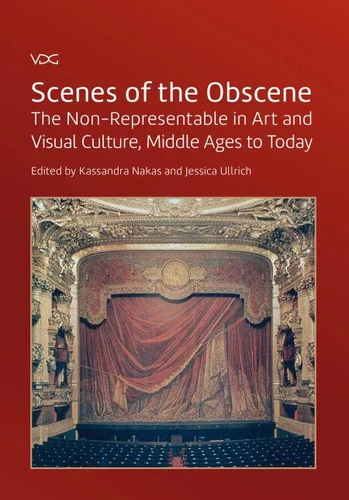
Scenes of the Obscene. The Non-Representable in Art and Visual Culture, Middle Ages to Today
Par : ,Formats :
Disponible dans votre compte client Decitre ou Furet du Nord dès validation de votre commande. Le format PDF est :
- Compatible avec une lecture sur My Vivlio (smartphone, tablette, ordinateur)
- Compatible avec une lecture sur liseuses Vivlio
- Pour les liseuses autres que Vivlio, vous devez utiliser le logiciel Adobe Digital Edition. Non compatible avec la lecture sur les liseuses Kindle, Remarkable et Sony
 , qui est-ce ?
Notre partenaire de plateforme de lecture numérique où vous retrouverez l'ensemble de vos ebooks gratuitement
Pour en savoir plus sur nos ebooks, consultez notre aide en ligne ici
C'est si simple ! Lisez votre ebook avec l'app Vivlio sur votre tablette, mobile ou ordinateur :

- Nombre de pages188
- FormatPDF
- ISBN978-3-95899-453-9
- EAN9783958994539
- Date de parution27/05/2014
- Protection num.Digital Watermarking
- Taille3 Mo
- Infos supplémentairespdf
- ÉditeurVDG Weimar - Verlag und Datenb
Résumé
Artists and the public alike have always been fascinated by obscene imagery. The Obscene, however, is difficult to define. One of the earliest interpretations is of Greek origin and argues that the word derives from "ob skene", indicating the space behind the stage or scene. "Off-scene" remains what should be hidden from public view, be it morally questionable, offensive, disgusting or unbearable to look at.
This book presents a collection of essays that cast light on some "Scene of the Obscene" in art and visual culture from the Middle Ages to today, taking into consideration the malleable nature of socio-cultural assumptions and theoretical reflections on the topic. The contributions focus on historically distinct artistic acts and social sites where established cultural categories and legal norms are violated, with artists and publishers deliberately breaking moral taboos and offending the public taste.
They discuss how society reacted to these transregressions and how obscenity and its conceptions shape the face of their respective time.
This book presents a collection of essays that cast light on some "Scene of the Obscene" in art and visual culture from the Middle Ages to today, taking into consideration the malleable nature of socio-cultural assumptions and theoretical reflections on the topic. The contributions focus on historically distinct artistic acts and social sites where established cultural categories and legal norms are violated, with artists and publishers deliberately breaking moral taboos and offending the public taste.
They discuss how society reacted to these transregressions and how obscenity and its conceptions shape the face of their respective time.