SOLDES
Jusqu'à -70% sur une sélection d'articles*

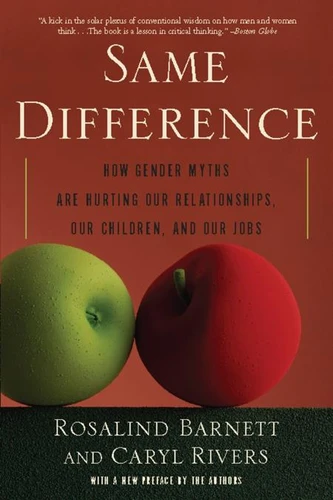
Same Difference. How Gender Myths Are Hurting Our Relationships, Our Children, and Our Jobs
Par : ,Formats :
Disponible dans votre compte client Decitre ou Furet du Nord dès validation de votre commande. Le format ePub protégé est :
- Compatible avec une lecture sur My Vivlio (smartphone, tablette, ordinateur)
- Compatible avec une lecture sur liseuses Vivlio
- Pour les liseuses autres que Vivlio, vous devez utiliser le logiciel Adobe Digital Edition. Non compatible avec la lecture sur les liseuses Kindle, Remarkable et Sony
- Non compatible avec un achat hors France métropolitaine
 , qui est-ce ?
Notre partenaire de plateforme de lecture numérique où vous retrouverez l'ensemble de vos ebooks gratuitement
Pour en savoir plus sur nos ebooks, consultez notre aide en ligne ici
C'est si simple ! Lisez votre ebook avec l'app Vivlio sur votre tablette, mobile ou ordinateur :

- Nombre de pages304
- FormatePub
- ISBN978-0-7867-3789-5
- EAN9780786737895
- Date de parution24/03/2009
- Protection num.Adobe DRM
- Infos supplémentairesepub
- ÉditeurBasic Books
Résumé
From respected academics like Carol Gilligan to pop-psych gurus like John Gray, and even the controversial Harvard President Lawrence Summers, the message has long been the same: Men and women are fundamentally different, and trying to bridge the gender gap can only lead to grief. But as the New York Times Book Review raved, Barnett and Rivers "debunk these theories in a no-nonsense way, offering a refreshingly direct (i.e.
unashamedly judgmental) critique of traditional parental roles, tututting at the couples they interviewed who cling to stereotyped ideas of the family." "Blending case histories, new research and thoughtful analysis, the writers describe the divide between the sexes as a crevice, not a chasm. The good news: We're all a lot more flexible than the gender clich8Es let on."-Psychology Today
unashamedly judgmental) critique of traditional parental roles, tututting at the couples they interviewed who cling to stereotyped ideas of the family." "Blending case histories, new research and thoughtful analysis, the writers describe the divide between the sexes as a crevice, not a chasm. The good news: We're all a lot more flexible than the gender clich8Es let on."-Psychology Today