Nouveauté
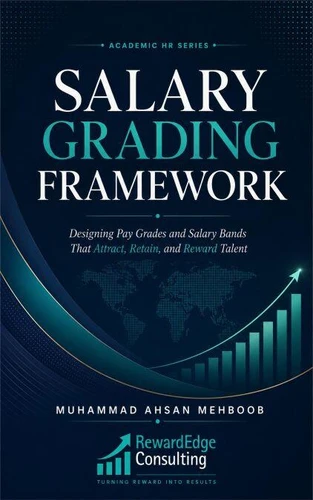
Salary Grading Framework. Academic HR Series, #2
Par :Formats :
Disponible dans votre compte client Decitre ou Furet du Nord dès validation de votre commande. Le format ePub est :
- Compatible avec une lecture sur My Vivlio (smartphone, tablette, ordinateur)
- Compatible avec une lecture sur liseuses Vivlio
- Pour les liseuses autres que Vivlio, vous devez utiliser le logiciel Adobe Digital Edition. Non compatible avec la lecture sur les liseuses Kindle, Remarkable et Sony
 , qui est-ce ?
Notre partenaire de plateforme de lecture numérique où vous retrouverez l'ensemble de vos ebooks gratuitement
Pour en savoir plus sur nos ebooks, consultez notre aide en ligne ici
C'est si simple ! Lisez votre ebook avec l'app Vivlio sur votre tablette, mobile ou ordinateur :

- FormatePub
- ISBN8233257476
- EAN9798233257476
- Date de parution22/08/2026
- Protection num.pas de protection
- Infos supplémentairesepub
- ÉditeurLinda Balsamo
Résumé
Salary Grading Framework is a practical, strategic guide for building salary grades, pay bands and reward governance that business leaders can explain, defend and sustain. Written by Muhammad Ahsan Mehboob, Founder of RewardEdge Consulting, this book is designed for HR leaders, compensation and benefits professionals, reward specialists, consultants, founders, CFOs and business leaders who need more than a basic pay table.
It shows how to move from informal, inconsistent and negotiation-driven pay decisions to a structured salary grading system supported by job architecture, market positioning, internal equity, governance and transparency. The book provides a complete operating system for salary grading. It explains how to diagnose the cost of a gradeless organization, build job families and levels, select the right grading model, calculate grade structures, design salary bands, place jobs into grades, manage transition costs, communicate pay decisions, govern exceptions and sustain the structure over time.
Readers will learn how salary grading connects to compensation strategy, job evaluation, benchmarking, pay equity, workforce cost control, career frameworks, incentive design, benefits alignment, pay transparency, M&A reward integration, UAE and Saudi reward considerations, and AI-related changes in work and job design. The approach is practical and evidence-led. Each chapter introduces a clear framework, explains the logic behind it, shows the risks of poor design, and connects the output to the next stage of the reward system.
The book also includes worked examples, implementation guidance, governance principles and templates that help readers apply the method inside real organizations. Salary Grading Framework is especially useful for organizations facing pay compression, inconsistent job titles, unclear promotion paths, uncontrolled exceptions, weak salary bands, outdated grading structures, market-pricing challenges, pay transparency pressure, merger integration issues or workforce cost concerns.
This is not a theoretical compensation textbook. It is a practitioner's framework for building fair, competitive, compliant and defensible pay structures - the architecture behind reward decisions that can stand up to scrutiny from employees, executives, boards, regulators and future business change.
It shows how to move from informal, inconsistent and negotiation-driven pay decisions to a structured salary grading system supported by job architecture, market positioning, internal equity, governance and transparency. The book provides a complete operating system for salary grading. It explains how to diagnose the cost of a gradeless organization, build job families and levels, select the right grading model, calculate grade structures, design salary bands, place jobs into grades, manage transition costs, communicate pay decisions, govern exceptions and sustain the structure over time.
Readers will learn how salary grading connects to compensation strategy, job evaluation, benchmarking, pay equity, workforce cost control, career frameworks, incentive design, benefits alignment, pay transparency, M&A reward integration, UAE and Saudi reward considerations, and AI-related changes in work and job design. The approach is practical and evidence-led. Each chapter introduces a clear framework, explains the logic behind it, shows the risks of poor design, and connects the output to the next stage of the reward system.
The book also includes worked examples, implementation guidance, governance principles and templates that help readers apply the method inside real organizations. Salary Grading Framework is especially useful for organizations facing pay compression, inconsistent job titles, unclear promotion paths, uncontrolled exceptions, weak salary bands, outdated grading structures, market-pricing challenges, pay transparency pressure, merger integration issues or workforce cost concerns.
This is not a theoretical compensation textbook. It is a practitioner's framework for building fair, competitive, compliant and defensible pay structures - the architecture behind reward decisions that can stand up to scrutiny from employees, executives, boards, regulators and future business change.