This book provides a comprehensive examination of the life, work, and legacy of Gregory of Tours, the 6th-century Frankish bishop, historian, and theologian. It explores Gregory's dual role as a chronicler of the Merovingian period and a key figure in the Christianization of the Frankish kingdom. Through an analysis of his History of the Franks, Glorification of the Martyrs, and his letters, this work delves into Gregory's theological and political ideas, highlighting his view of history as shaped by divine providence, the importance of Christian kingship, and the centrality of the Church in guiding both the spiritual and political destiny of the Frankish realm.
The book examines the decline of the Merovingian dynasty and the political turmoil that set the stage for the rise of the Carolingians, with Gregory's writings offering critical insights into the shifting power dynamics between the monarchy, the aristocracy, and the growing influence of the Church. It also explores Gregory's portrayal of the role of bishops in the Christianization process, the rise of saints and their cults, and the ways in which Christianity transformed both the moral and political fabric of the kingdom.
Gregory's ideas on divine judgment, kingship, and ecclesiastical authority resonate throughout medieval European history, influencing subsequent historians, theologians, and political leaders. The book provides an in-depth analysis of Gregory's theological reflections on the nature of kingship, the responsibilities of rulers, and the moral order of the kingdom, portraying the Christianization of the Franks as a moral and spiritual transformation rather than just a political conversion.
By investigating Gregory's unique perspective, the book highlights how his historical writings not only serve as a record of his time but also offer enduring lessons on the relationship between faith, politics, and governance. In conclusion, this work presents Gregory of Tours as a pivotal figure in early medieval Europe whose influence extended far beyond his own time. His historical narratives, theological insights, and deep moral convictions left a lasting imprint on the Church, the monarchy, and the intellectual tradition of the Middle Ages, shaping the trajectory of Christian Europe for centuries.
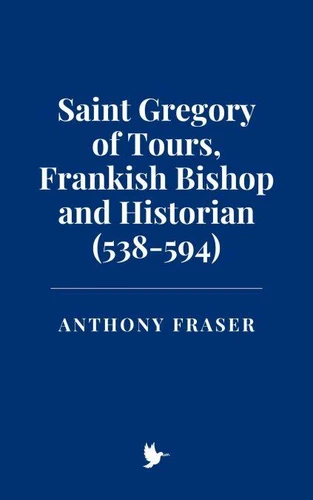
This book provides a comprehensive examination of the life, work, and legacy of Gregory of Tours, the 6th-century Frankish bishop, historian, and theologian. It explores Gregory's dual role as a chronicler of the Merovingian period and a key figure in the Christianization of the Frankish kingdom. Through an analysis of his History of the Franks, Glorification of the Martyrs, and his letters, this work delves into Gregory's theological and political ideas, highlighting his view of history as shaped by divine providence, the importance of Christian kingship, and the centrality of the Church in guiding both the spiritual and political destiny of the Frankish realm.
The book examines the decline of the Merovingian dynasty and the political turmoil that set the stage for the rise of the Carolingians, with Gregory's writings offering critical insights into the shifting power dynamics between the monarchy, the aristocracy, and the growing influence of the Church. It also explores Gregory's portrayal of the role of bishops in the Christianization process, the rise of saints and their cults, and the ways in which Christianity transformed both the moral and political fabric of the kingdom.
Gregory's ideas on divine judgment, kingship, and ecclesiastical authority resonate throughout medieval European history, influencing subsequent historians, theologians, and political leaders. The book provides an in-depth analysis of Gregory's theological reflections on the nature of kingship, the responsibilities of rulers, and the moral order of the kingdom, portraying the Christianization of the Franks as a moral and spiritual transformation rather than just a political conversion.
By investigating Gregory's unique perspective, the book highlights how his historical writings not only serve as a record of his time but also offer enduring lessons on the relationship between faith, politics, and governance. In conclusion, this work presents Gregory of Tours as a pivotal figure in early medieval Europe whose influence extended far beyond his own time. His historical narratives, theological insights, and deep moral convictions left a lasting imprint on the Church, the monarchy, and the intellectual tradition of the Middle Ages, shaping the trajectory of Christian Europe for centuries.


 , qui est-ce ?