SOLDES
Jusqu'à -70% sur une sélection d'articles*

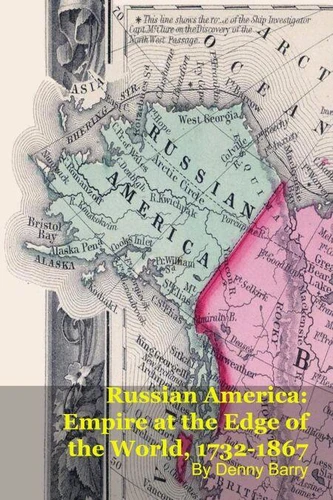
Russian America: Empire at the Edge of the World, 1732-1867
Par :Formats :
Disponible dans votre compte client Decitre ou Furet du Nord dès validation de votre commande. Le format ePub est :
- Compatible avec une lecture sur My Vivlio (smartphone, tablette, ordinateur)
- Compatible avec une lecture sur liseuses Vivlio
- Pour les liseuses autres que Vivlio, vous devez utiliser le logiciel Adobe Digital Edition. Non compatible avec la lecture sur les liseuses Kindle, Remarkable et Sony
 , qui est-ce ?
Notre partenaire de plateforme de lecture numérique où vous retrouverez l'ensemble de vos ebooks gratuitement
Pour en savoir plus sur nos ebooks, consultez notre aide en ligne ici
C'est si simple ! Lisez votre ebook avec l'app Vivlio sur votre tablette, mobile ou ordinateur :

- FormatePub
- ISBN8233342820
- EAN9798233342820
- Date de parution31/01/2026
- Protection num.pas de protection
- Infos supplémentairesepub
- ÉditeurLinda Balsamo
Résumé
Russian America: Empire at the Edge of the World, 1732-1867This comprehensive history examines the rise and fall of Russia's North American empire, from the first explorations of Alaska's coasts to the sale of the territory to the United States. Drawing on Russian, American, and Alaska Native sources, the book reveals how a fur-trading enterprise evolved into a complex colonial society that left enduring legacies still visible in Alaska today.
The narrative follows the transformation from the violent promyshlenniki era through the establishment of the Russian-American Company and the creation of New Archangel (Sitka) as the "Paris of the Pacific." It explores the innovative Creole estate system, the Orthodox Christian mission that created an indigenous church, and the persistent Tlingit resistance that prevented complete Russian domination.
The book examines why diversification efforts failed, how the Crimean War exposed Alaska's strategic vulnerability, and why Russia ultimately chose to sell rather than defend its Pacific colony. It traces the aftermath under American rule, including the dispossession of the Creole population and the remarkable survival of Orthodox Christianity as a living Alaska Native tradition. This is a story of imperial ambition and limitation, of cultural encounter and synthesis, and of how indigenous peoples navigated colonization while preserving essential elements of their identities and autonomy.
The narrative follows the transformation from the violent promyshlenniki era through the establishment of the Russian-American Company and the creation of New Archangel (Sitka) as the "Paris of the Pacific." It explores the innovative Creole estate system, the Orthodox Christian mission that created an indigenous church, and the persistent Tlingit resistance that prevented complete Russian domination.
The book examines why diversification efforts failed, how the Crimean War exposed Alaska's strategic vulnerability, and why Russia ultimately chose to sell rather than defend its Pacific colony. It traces the aftermath under American rule, including the dispossession of the Creole population and the remarkable survival of Orthodox Christianity as a living Alaska Native tradition. This is a story of imperial ambition and limitation, of cultural encounter and synthesis, and of how indigenous peoples navigated colonization while preserving essential elements of their identities and autonomy.