SOLDES
Jusqu'à -70% sur une sélection d'articles*

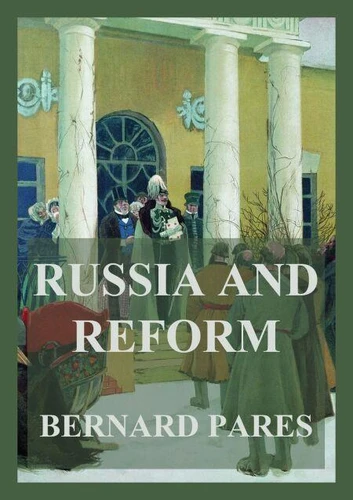
Russia and Reform
Par :Formats :
Disponible dans votre compte client Decitre ou Furet du Nord dès validation de votre commande. Le format ePub est :
- Compatible avec une lecture sur My Vivlio (smartphone, tablette, ordinateur)
- Compatible avec une lecture sur liseuses Vivlio
- Pour les liseuses autres que Vivlio, vous devez utiliser le logiciel Adobe Digital Edition. Non compatible avec la lecture sur les liseuses Kindle, Remarkable et Sony
 , qui est-ce ?
Notre partenaire de plateforme de lecture numérique où vous retrouverez l'ensemble de vos ebooks gratuitement
Pour en savoir plus sur nos ebooks, consultez notre aide en ligne ici
C'est si simple ! Lisez votre ebook avec l'app Vivlio sur votre tablette, mobile ou ordinateur :

- Nombre de pages920
- FormatePub
- ISBN978-3-8496-6287-5
- EAN9783849662875
- Date de parution09/11/2022
- Protection num.Digital Watermarking
- Taille795 Ko
- Infos supplémentairesepub
- ÉditeurJAZZYBEE VERLAG
Résumé
Beginning with a rather impressionistic but distinctly readable sketch of the rise and advance of Russia from the earliest times, Mr. Pares, with the emancipation of the serfs, enters into a detailed study which is really worthy of comparison with Mackenzie Wallace's great book. Like Wallace, Mr. Pares evidently knows his Russia thoroughly, and his Russian in every walk of life. The geographical and economic aspects of the country, the governmental system, the educational facilities, the home life of the noble and the peasant, the literature that has been produced and the men who have produced it -- all this and much more is expounded by him in a way that is equally interesting and authoritative.
He gives a brief sketch of the history of Russian institutions up to the late 19th century and of the social conditions in the country generally from 1904 down to the assembling of the second Duma. He brings out more clearly than most writers have done the contrast between the ideals of the educated class and the great mass of the people. He is hopeful for the steady progress of reform, though he thinks it may be slow, and notes that the Government is missing many opportunities that will not recur, and that day by day the intelligence of the individual is outstripping more and more the measure of responsibility allowed to him by the authorities, whose prestige, he says, is being recklessly squandered.
He gives a brief sketch of the history of Russian institutions up to the late 19th century and of the social conditions in the country generally from 1904 down to the assembling of the second Duma. He brings out more clearly than most writers have done the contrast between the ideals of the educated class and the great mass of the people. He is hopeful for the steady progress of reform, though he thinks it may be slow, and notes that the Government is missing many opportunities that will not recur, and that day by day the intelligence of the individual is outstripping more and more the measure of responsibility allowed to him by the authorities, whose prestige, he says, is being recklessly squandered.
