
Nouveauté
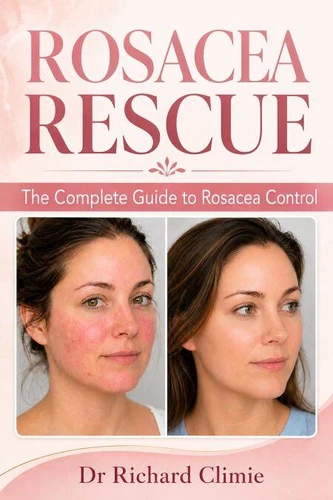
Rosacea Rescue
Par :Formats :
Disponible dans votre compte client Decitre ou Furet du Nord dès validation de votre commande. Le format ePub est :
- Compatible avec une lecture sur My Vivlio (smartphone, tablette, ordinateur)
- Compatible avec une lecture sur liseuses Vivlio
- Pour les liseuses autres que Vivlio, vous devez utiliser le logiciel Adobe Digital Edition. Non compatible avec la lecture sur les liseuses Kindle, Remarkable et Sony
 , qui est-ce ?
Notre partenaire de plateforme de lecture numérique où vous retrouverez l'ensemble de vos ebooks gratuitement
Pour en savoir plus sur nos ebooks, consultez notre aide en ligne ici
C'est si simple ! Lisez votre ebook avec l'app Vivlio sur votre tablette, mobile ou ordinateur :

- FormatePub
- ISBN8235186255
- EAN9798235186255
- Date de parution28/07/2026
- Protection num.pas de protection
- Infos supplémentairesepub
- ÉditeurIoakim Ioakim
Résumé
Rosacea Rescue is a practical, evidence-based guide to understanding rosacea and managing it with a calm, step-by-step approach. Written by Dr Richard Climie, a family physician with more than twenty years' experience in skin conditions, the book explains why rosacea develops, how the skin barrier and microbiome are involved, and how skincare, prescription treatment and professional procedures can be combined when appropriate.
The book introduces a Barrier-First approach, beginning with gentle cleansing, moisturising and sun protection, then gradually adding carefully selected active treatments once the skin is stable. It covers the major patterns of rosacea, including vascular, papulopustular, phymatous and ocular disease, as well as the role of Demodex mites, skin pH, inflammation, hormonal influences and common environmental and lifestyle triggers.
Treatment sections discuss skincare ingredients such as azelaic acid, Centella asiatica, niacinamide and barrier-supportive products, as well as prescription options including ivermectin, metronidazole, low-dose doxycycline and low-dose isotretinoin. The book also examines hormonal-pattern rosacea, including perimenopausal and menopausal changes, and considers anti-androgen treatments where appropriate.
A dedicated section on ocular rosacea explains why blocked meibomian glands cause dry, gritty and watery eyes, and describes practical home measures as well as situations in which medical or eye-specialist assessment is important. Laser, IPL and other energy-based treatments are also discussed, including how they fit into a broader treatment plan and why controlling inflammation and barrier damage first may improve outcomes.
Rather than offering a single rigid routine, Rosacea Rescue helps readers understand which features are relevant to their own condition and how to build a sensible long-term management plan. It is written primarily for people living with rosacea, but its practical discussion of diagnosis, treatment mechanisms, prescription therapies and less commonly discussed aspects of the condition may also be useful to medical students, general practitioners and other healthcare professionals with an interest in skin disease.
The book introduces a Barrier-First approach, beginning with gentle cleansing, moisturising and sun protection, then gradually adding carefully selected active treatments once the skin is stable. It covers the major patterns of rosacea, including vascular, papulopustular, phymatous and ocular disease, as well as the role of Demodex mites, skin pH, inflammation, hormonal influences and common environmental and lifestyle triggers.
Treatment sections discuss skincare ingredients such as azelaic acid, Centella asiatica, niacinamide and barrier-supportive products, as well as prescription options including ivermectin, metronidazole, low-dose doxycycline and low-dose isotretinoin. The book also examines hormonal-pattern rosacea, including perimenopausal and menopausal changes, and considers anti-androgen treatments where appropriate.
A dedicated section on ocular rosacea explains why blocked meibomian glands cause dry, gritty and watery eyes, and describes practical home measures as well as situations in which medical or eye-specialist assessment is important. Laser, IPL and other energy-based treatments are also discussed, including how they fit into a broader treatment plan and why controlling inflammation and barrier damage first may improve outcomes.
Rather than offering a single rigid routine, Rosacea Rescue helps readers understand which features are relevant to their own condition and how to build a sensible long-term management plan. It is written primarily for people living with rosacea, but its practical discussion of diagnosis, treatment mechanisms, prescription therapies and less commonly discussed aspects of the condition may also be useful to medical students, general practitioners and other healthcare professionals with an interest in skin disease.