SOLDES
Jusqu'à -70% sur une sélection d'articles*

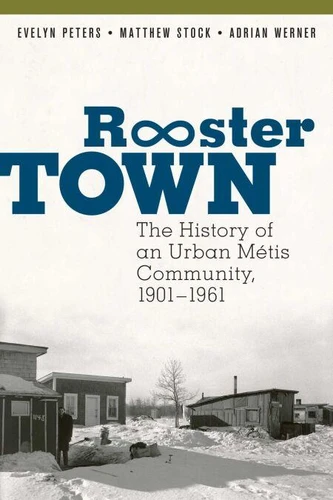
Rooster Town. The History of an Urban Métis Community, 1901–1961
Par : , ,Formats :
Disponible dans votre compte client Decitre ou Furet du Nord dès validation de votre commande. Le format ePub est :
- Compatible avec une lecture sur My Vivlio (smartphone, tablette, ordinateur)
- Compatible avec une lecture sur liseuses Vivlio
- Pour les liseuses autres que Vivlio, vous devez utiliser le logiciel Adobe Digital Edition. Non compatible avec la lecture sur les liseuses Kindle, Remarkable et Sony
 , qui est-ce ?
Notre partenaire de plateforme de lecture numérique où vous retrouverez l'ensemble de vos ebooks gratuitement
Pour en savoir plus sur nos ebooks, consultez notre aide en ligne ici
C'est si simple ! Lisez votre ebook avec l'app Vivlio sur votre tablette, mobile ou ordinateur :

- Nombre de pages248
- FormatePub
- ISBN978-0-88755-566-4
- EAN9780887555664
- Date de parution16/10/2018
- Protection num.Digital Watermarking
- Taille9 Mo
- Infos supplémentairesepub
- ÉditeurUniversity of Manitoba Press
Résumé
Melonville. Smokey Hollow. Bannock Town. Fort Tuyau. Little Chicago. Mud Flats. Pumpville. Tintown. La Coule. These were some of the names given to Métis communities at the edges of urban areas in Manitoba. Rooster Town, which was on the outskirts of southwest Winnipeg endured from 1901 to 1961.
Those years in Winnipeg were characterized by the twin pressures of depression, and inflation, chronic housing shortages, and a spotty social support network.
At the city's edge, Rooster Town grew without city services as rural Métis arrived to participate in the urban economy and build their own houses while keeping Métis culture and community as a central part of their lives. In other growing settler cities, the Indigenous experience was largely characterized by removal and confinement. But the continuing presence of Métis living and working in the city, and the establishment of Rooster Town itself, made the Winnipeg experience unique.
Rooster Town documents the story of a community rooted in kinship, culture, and historical circumstance, whose residents existed unofficially in the cracks of municipal bureaucracy, while navigating the legacy of settler colonialism and the demands of modernity and urbanization.
At the city's edge, Rooster Town grew without city services as rural Métis arrived to participate in the urban economy and build their own houses while keeping Métis culture and community as a central part of their lives. In other growing settler cities, the Indigenous experience was largely characterized by removal and confinement. But the continuing presence of Métis living and working in the city, and the establishment of Rooster Town itself, made the Winnipeg experience unique.
Rooster Town documents the story of a community rooted in kinship, culture, and historical circumstance, whose residents existed unofficially in the cracks of municipal bureaucracy, while navigating the legacy of settler colonialism and the demands of modernity and urbanization.