SOLDES
Jusqu'à -70% sur une sélection d'articles*
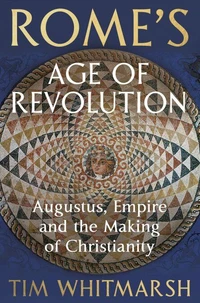
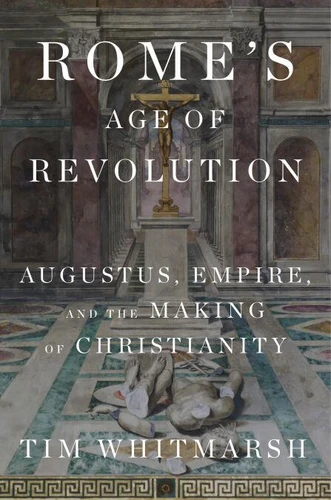
Rome's Age of Revolution. Augustus, Empire, and the Making of Christianity
Par :Formats :
Disponible dans votre compte client Decitre ou Furet du Nord dès validation de votre commande. Le format ePub protégé est :
- Compatible avec une lecture sur My Vivlio (smartphone, tablette, ordinateur)
- Compatible avec une lecture sur liseuses Vivlio
- Pour les liseuses autres que Vivlio, vous devez utiliser le logiciel Adobe Digital Edition. Non compatible avec la lecture sur les liseuses Kindle, Remarkable et Sony
- Non compatible avec un achat hors France métropolitaine

, qui est-ce ?Notre partenaire de plateforme de lecture numérique où vous retrouverez l'ensemble de vos ebooks gratuitement
Pour en savoir plus sur nos ebooks, consultez notre aide en ligne ici
- Nombre de pages336
- Date de parution10/11/2026
- FormatePub
- ISBN978-0-525-65474-2
- EAN9780525654742
- Protection num.Adobe DRM
- Infos supplémentairesepub
- ÉditeurKnopf
Résumé
A stimulating and expert analysis of the unique conditions that allowed Christianity to take shape and flourish across the Roman Empire during its first three centuries, from one of our leading historians of the ancient worldThe Western world has been shaped by its Christian heritage-years are still measured by their distance from the birth of Jesus Christ. But Christianity was built on Roman foundations: it was Julius Caesar and his adopted son Augustus who created the calendar we use today and reset time itself.
They redesigned space, too, hewing through mountains, building roads, and bridging gullies to forge an interconnected Mediterranean world under Roman rule. The society into which Jesus was born was prepared for a change, for a new age, and already had-in the quasi-divine Augustus-a savior figure ready to deliver it. The factors that made the classical world so ripe for revolution provide the subject of Tim Whitmarsh's brilliant inquiry, which peers not only into the lives of the elite but into those of the wider, largely Greek-speaking population-all of whom lived amid what Whitmarsh terms "the swirl": the flowing and counterflowing of physical movement, ideas, and languages that characterized the pre-Constantine era.
From this swirling came a new religion that draws at once from Jewish scripture, from the Greek philosophical and cultural legacy, and from the language of Roman imperial practice. In these pages we travel with Paul along the vast network of Roman roads, revisit pivotal clashes with the kingdom of Judah, and discover the reality behind common misconceptions like the exaggeration of Nero's villainy and of Christian persecution.
Rome's Age of Revolution is a thoroughly engaging portrait of an era and a religion that continue to leave their mark.
They redesigned space, too, hewing through mountains, building roads, and bridging gullies to forge an interconnected Mediterranean world under Roman rule. The society into which Jesus was born was prepared for a change, for a new age, and already had-in the quasi-divine Augustus-a savior figure ready to deliver it. The factors that made the classical world so ripe for revolution provide the subject of Tim Whitmarsh's brilliant inquiry, which peers not only into the lives of the elite but into those of the wider, largely Greek-speaking population-all of whom lived amid what Whitmarsh terms "the swirl": the flowing and counterflowing of physical movement, ideas, and languages that characterized the pre-Constantine era.
From this swirling came a new religion that draws at once from Jewish scripture, from the Greek philosophical and cultural legacy, and from the language of Roman imperial practice. In these pages we travel with Paul along the vast network of Roman roads, revisit pivotal clashes with the kingdom of Judah, and discover the reality behind common misconceptions like the exaggeration of Nero's villainy and of Christian persecution.
Rome's Age of Revolution is a thoroughly engaging portrait of an era and a religion that continue to leave their mark.