SOLDES
Jusqu'à -70% sur une sélection d'articles*

Nouveauté
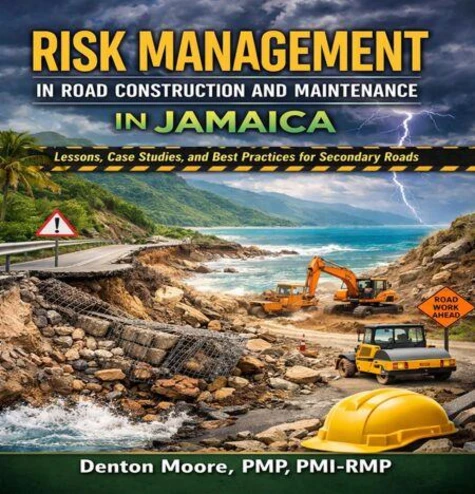
RISK MANAGEMENT IN ROAD CONSTRUCTION AND MAINTENANCE OF SECONDARY ROADS IN JAMAICA Lessons, Case Studies, and Best Practices for Secondary Roads
Par :Formats :
Disponible dans votre compte client Decitre ou Furet du Nord dès validation de votre commande. Le format ePub est :
- Compatible avec une lecture sur My Vivlio (smartphone, tablette, ordinateur)
- Compatible avec une lecture sur liseuses Vivlio
- Pour les liseuses autres que Vivlio, vous devez utiliser le logiciel Adobe Digital Edition. Non compatible avec la lecture sur les liseuses Kindle, Remarkable et Sony
 , qui est-ce ?
Notre partenaire de plateforme de lecture numérique où vous retrouverez l'ensemble de vos ebooks gratuitement
Pour en savoir plus sur nos ebooks, consultez notre aide en ligne ici
C'est si simple ! Lisez votre ebook avec l'app Vivlio sur votre tablette, mobile ou ordinateur :

- FormatePub
- ISBN8235040328
- EAN9798235040328
- Date de parution21/05/2026
- Protection num.pas de protection
- Infos supplémentairesepub
- ÉditeurIoakim Ioakim
Résumé
This book provides a practical and structured guide to risk management in secondary road construction and maintenance, with particular attention to the everyday challenges faced in Jamaica and other developing countries. The book follows the full life cycle of a road project, from planning and design through construction and long-term maintenance. It explains how risks develop, how they can be identified at an early stage, and how they can be assessed, prioritized, and managed using practical tools and techniques.
Attention is given to the technical, environmental, financial, organizational, and social risks that commonly affect secondary road networks and influence cost, safety, durability, and overall performance. A major strength of the book is its emphasis on practical application rather than theory alone. It includes risk frameworks, registers, matrices, checklists, performance measures, and case studies drawn from both local and international experience.
These are supported by clear, step-by-step explanations designed to make the subject accessible to engineers, contractors, planners, policy makers, and other professionals involved in road infrastructure projects. The book also examines recurring failures in road projects and highlights the importance of organizational learning, stakeholder engagement, and continuous improvement in reducing long-term problems.
It concludes with practical recommendations for strengthening risk management systems and improving the resilience and sustainability of road infrastructure. Written by a practitioner with experience in secondary road projects and professional certification in project and risk management from the Project Management Institute in the United States, the book connects established risk management frameworks, including International Organization for Standardization ISO 31000 and PMI standards, with the realities of engineering practice.
The book is intended as a reference for engineering students, practicing engineers, contractors, consultants, and government agencies involved in the planning, construction, and maintenance of road infrastructure.
Attention is given to the technical, environmental, financial, organizational, and social risks that commonly affect secondary road networks and influence cost, safety, durability, and overall performance. A major strength of the book is its emphasis on practical application rather than theory alone. It includes risk frameworks, registers, matrices, checklists, performance measures, and case studies drawn from both local and international experience.
These are supported by clear, step-by-step explanations designed to make the subject accessible to engineers, contractors, planners, policy makers, and other professionals involved in road infrastructure projects. The book also examines recurring failures in road projects and highlights the importance of organizational learning, stakeholder engagement, and continuous improvement in reducing long-term problems.
It concludes with practical recommendations for strengthening risk management systems and improving the resilience and sustainability of road infrastructure. Written by a practitioner with experience in secondary road projects and professional certification in project and risk management from the Project Management Institute in the United States, the book connects established risk management frameworks, including International Organization for Standardization ISO 31000 and PMI standards, with the realities of engineering practice.
The book is intended as a reference for engineering students, practicing engineers, contractors, consultants, and government agencies involved in the planning, construction, and maintenance of road infrastructure.