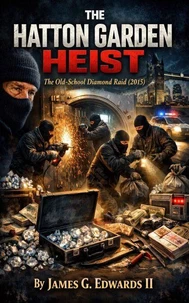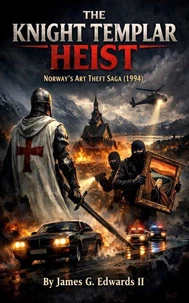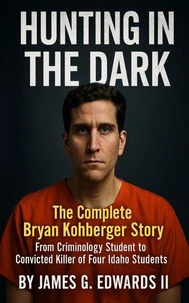
James G. Edwards II is an avid reader and emerging voice in historical and economic storytelling. With a deep passion for money, history, economics, and business, James brings a sharp, curious mind to the page-blending engaging narrative with thoughtful analysis. A new writer with ELC Publishing, he is committed to turning his long-held interests and extensive published work into books that inform, entertain, and provoke reflection.
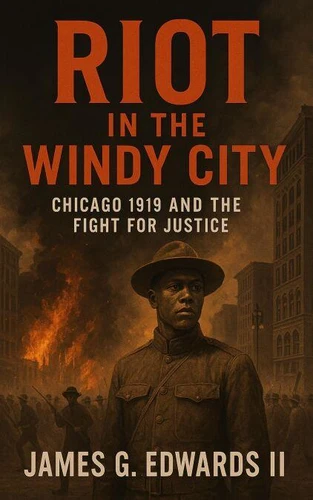
Riot in the windy city. The Red Summer Chronicles, #2
Par :Formats :
Disponible dans votre compte client Decitre ou Furet du Nord dès validation de votre commande. Le format ePub est :
- Compatible avec une lecture sur My Vivlio (smartphone, tablette, ordinateur)
- Compatible avec une lecture sur liseuses Vivlio
- Pour les liseuses autres que Vivlio, vous devez utiliser le logiciel Adobe Digital Edition. Non compatible avec la lecture sur les liseuses Kindle, Remarkable et Sony
 , qui est-ce ?
Notre partenaire de plateforme de lecture numérique où vous retrouverez l'ensemble de vos ebooks gratuitement
Pour en savoir plus sur nos ebooks, consultez notre aide en ligne ici
C'est si simple ! Lisez votre ebook avec l'app Vivlio sur votre tablette, mobile ou ordinateur :

- FormatePub
- ISBN8235443365
- EAN9798235443365
- Date de parution08/06/2026
- Protection num.pas de protection
- Infos supplémentairesepub
- ÉditeurIoakim Ioakim
Résumé
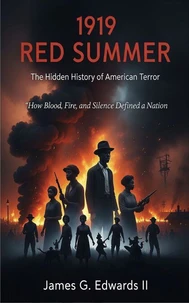
Chicago burned long before its buildings did. In the searing summer of 1919, the Windy City became a battleground. As Black veterans returned from World War I with dignity and expectations, they met a society unwilling to grant them basic rights, let alone respect. When a Black teenager was killed for crossing an invisible racial line on Lake Michigan's segregated beach, the city erupted. Riot in the Windy City unearths the deep fault lines of racial tension, economic anxiety, and political betrayal that fueled one of the deadliest race riots in American history.
Through gripping narrative, personal accounts, and historical clarity, James G. Edwards II exposes how Chicago's streets became war zones-and how the embers of injustice still smolder today. This is more than history. It's a warning.
Through gripping narrative, personal accounts, and historical clarity, James G. Edwards II exposes how Chicago's streets became war zones-and how the embers of injustice still smolder today. This is more than history. It's a warning.