SOLDES
Jusqu'à -70% sur une sélection d'articles*

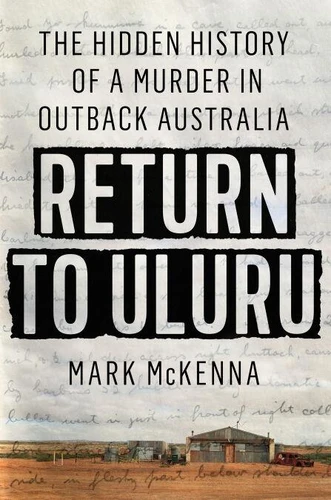
Return to Uluru. The Hidden History of a Murder in Outback Australia
Par :Formats :
Disponible dans votre compte client Decitre ou Furet du Nord dès validation de votre commande. Le format ePub protégé est :
- Compatible avec une lecture sur My Vivlio (smartphone, tablette, ordinateur)
- Compatible avec une lecture sur liseuses Vivlio
- Pour les liseuses autres que Vivlio, vous devez utiliser le logiciel Adobe Digital Edition. Non compatible avec la lecture sur les liseuses Kindle, Remarkable et Sony
- Non compatible avec un achat hors France métropolitaine
 , qui est-ce ?
Notre partenaire de plateforme de lecture numérique où vous retrouverez l'ensemble de vos ebooks gratuitement
Pour en savoir plus sur nos ebooks, consultez notre aide en ligne ici
C'est si simple ! Lisez votre ebook avec l'app Vivlio sur votre tablette, mobile ou ordinateur :

- Nombre de pages256
- FormatePub
- ISBN978-0-593-18578-0
- EAN9780593185780
- Date de parution09/08/2022
- Protection num.Adobe DRM
- Taille57 Mo
- Infos supplémentairesepub
- ÉditeurDutton
Résumé
"THIS WEEK'S HOTTEST NEW RELEASES: Murder befouls the outback... [A] gripping work of true crime." -USA TODAYReturn to Uluru explores a cold case that strikes at the heart of white supremacy-the death of an Aboriginal man in 1934; the iconic life of a white, "outback" police officer; and the continent's most sacred and mysterious landmark. Inside Cardboard Box 39 at the South Australian Museum's storage facility lies the forgotten skull of an Aboriginal man who died eighty-five years before.
His misspelled name is etched on the crown, but the many bones in boxes around him remain unidentified. Who was Yokununna, and how did he die? His story reveals the layered, exploitative white Australian mindset that has long rendered Aboriginal reality all but invisible. When policeman Bill McKinnon's Aboriginal prisoners escape in 1934, he's determined to get them back. Tracking them across the so called "dead heart" of the country, he finds the men at Uluru, a sacred rock formation.
What exactly happened there remained a mystery, even after a Commonwealth inquiry. But Mark McKenna's research uncovers new evidence, getting closer to the truth, revealing glimpses of indigenous life, and demonstrating the importance of this case today. Using McKinnon's private journal entries, McKenna paints a picture of the police officer's life to better understand how white Australians treat the center of the country and its inhabitants. Return to Uluru dives deeply into one cold case.
But it also provides a searing indictment of the historical white supremacy still present in Australia-and has fascinating, illuminating parallels to the growing racial justice movements in the United States.
His misspelled name is etched on the crown, but the many bones in boxes around him remain unidentified. Who was Yokununna, and how did he die? His story reveals the layered, exploitative white Australian mindset that has long rendered Aboriginal reality all but invisible. When policeman Bill McKinnon's Aboriginal prisoners escape in 1934, he's determined to get them back. Tracking them across the so called "dead heart" of the country, he finds the men at Uluru, a sacred rock formation.
What exactly happened there remained a mystery, even after a Commonwealth inquiry. But Mark McKenna's research uncovers new evidence, getting closer to the truth, revealing glimpses of indigenous life, and demonstrating the importance of this case today. Using McKinnon's private journal entries, McKenna paints a picture of the police officer's life to better understand how white Australians treat the center of the country and its inhabitants. Return to Uluru dives deeply into one cold case.
But it also provides a searing indictment of the historical white supremacy still present in Australia-and has fascinating, illuminating parallels to the growing racial justice movements in the United States.