SOLDES
Jusqu'à -70% sur une sélection d'articles*

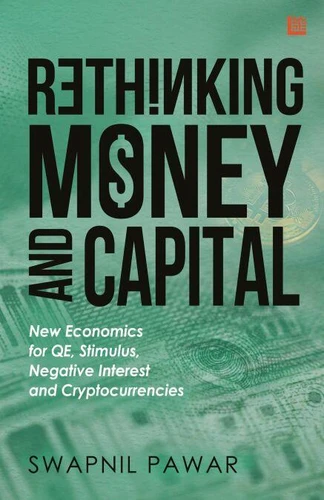
Rethinking Money and Capital: New Economics for Qe, Stimulus, Negative Interest, and Cryptocurrencies
Par :Formats :
Disponible dans votre compte client Decitre ou Furet du Nord dès validation de votre commande. Le format ePub est :
- Compatible avec une lecture sur My Vivlio (smartphone, tablette, ordinateur)
- Compatible avec une lecture sur liseuses Vivlio
- Pour les liseuses autres que Vivlio, vous devez utiliser le logiciel Adobe Digital Edition. Non compatible avec la lecture sur les liseuses Kindle, Remarkable et Sony
 , qui est-ce ?
Notre partenaire de plateforme de lecture numérique où vous retrouverez l'ensemble de vos ebooks gratuitement
Pour en savoir plus sur nos ebooks, consultez notre aide en ligne ici
C'est si simple ! Lisez votre ebook avec l'app Vivlio sur votre tablette, mobile ou ordinateur :

- FormatePub
- ISBN978-93-5559-129-6
- EAN9789355591296
- Date de parution19/07/2022
- Protection num.pas de protection
- Infos supplémentairesepub
- ÉditeurLeadstart
Résumé
While money and capital occupy a centre stage in our daily lives, we rarely pause to think about their real nature. Contrary to an intuitive and unstated belief of most people, money and capital are not resources but simply bidding tokens. This rethinking of their nature can free the collective energies of human race from several artificially imposed constraints that hold no water upon closer scrutiny.
The analysis in this book leads to many counterintuitive conclusions. For example, the fiscal deficit is the counterpart of the demand for net savings by individuals and not an evil to be battled. Inflation is sometimes an indicator of more egalitarian distribution of incomes and not always a scourge that hurts the poor. There is a strong case for negative real interest rates on risk-free debt. The book employs these and several other such inferences into a broad program for reinvigorating our economic policy towards a better life for all.
The analysis in this book leads to many counterintuitive conclusions. For example, the fiscal deficit is the counterpart of the demand for net savings by individuals and not an evil to be battled. Inflation is sometimes an indicator of more egalitarian distribution of incomes and not always a scourge that hurts the poor. There is a strong case for negative real interest rates on risk-free debt. The book employs these and several other such inferences into a broad program for reinvigorating our economic policy towards a better life for all.