SOLDES
Jusqu'à -70% sur une sélection d'articles*

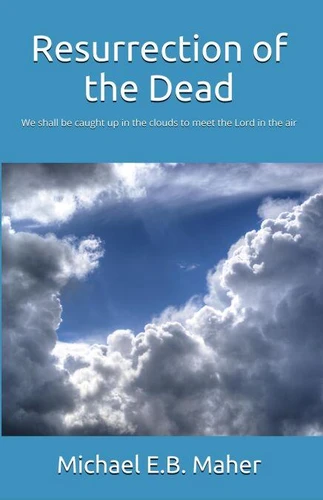
Resurrection of the Dead. Foundation doctrines of Christ, #5
Par :Formats :
Disponible dans votre compte client Decitre ou Furet du Nord dès validation de votre commande. Le format ePub protégé est :
- Compatible avec une lecture sur My Vivlio (smartphone, tablette, ordinateur)
- Compatible avec une lecture sur liseuses Vivlio
- Pour les liseuses autres que Vivlio, vous devez utiliser le logiciel Adobe Digital Edition. Non compatible avec la lecture sur les liseuses Kindle, Remarkable et Sony
- Non compatible avec un achat hors France métropolitaine
 , qui est-ce ?
Notre partenaire de plateforme de lecture numérique où vous retrouverez l'ensemble de vos ebooks gratuitement
Pour en savoir plus sur nos ebooks, consultez notre aide en ligne ici
C'est si simple ! Lisez votre ebook avec l'app Vivlio sur votre tablette, mobile ou ordinateur :

- FormatePub
- ISBN978-1-393-74931-8
- EAN9781393749318
- Date de parution12/01/2018
- Protection num.Adobe DRM
- Infos supplémentairesepub
- ÉditeurRelay Publishing
Résumé
Resurrection of the Dead by Michael E. B. Maher is a doctrinal exposition of the biblical teaching on resurrection, presented as one of the six foundational doctrines of Christ outlined in Hebrews 5-6. The book argues that a proper understanding of resurrection is essential for spiritual maturity and protection from doctrinal error. Maher begins by examining the nature of death, defining humanity as a triune being-spirit, soul, and body.
Physical death, he explains, is the separation of the spirit and soul from the mortal body, not the end of existence. Since the spirit and soul are eternal, the doctrine of resurrection concerns the future restoration of the body for all people, believers and unbelievers alike. The book traces God's redemptive plan through Christ, presenting Jesus as the "firstfruits" and the firstborn from the dead.
Maher links Christ's resurrection to the prophetic feasts of the Lord and explains how it guarantees subsequent resurrections. A major focus is the distinction between multiple resurrections. Maher identifies a first resurrection involving saints, a second resurrection unto condemnation for unbelievers, and a distinct resurrection of children. Each group is examined in terms of timing, purpose, and the nature of their resurrected bodies.
The work also explores the intermediate state of the dead, discussing the fate of unbelievers in Hades, the rest of Old Testament saints in Abraham's bosom, and the complete knowledge attained after death. Ultimately, Maher emphasizes bodily resurrection as a central, unavoidable reality of divine justice and redemption, culminating in eternal judgment and the final order of God's kingdom.
Physical death, he explains, is the separation of the spirit and soul from the mortal body, not the end of existence. Since the spirit and soul are eternal, the doctrine of resurrection concerns the future restoration of the body for all people, believers and unbelievers alike. The book traces God's redemptive plan through Christ, presenting Jesus as the "firstfruits" and the firstborn from the dead.
Maher links Christ's resurrection to the prophetic feasts of the Lord and explains how it guarantees subsequent resurrections. A major focus is the distinction between multiple resurrections. Maher identifies a first resurrection involving saints, a second resurrection unto condemnation for unbelievers, and a distinct resurrection of children. Each group is examined in terms of timing, purpose, and the nature of their resurrected bodies.
The work also explores the intermediate state of the dead, discussing the fate of unbelievers in Hades, the rest of Old Testament saints in Abraham's bosom, and the complete knowledge attained after death. Ultimately, Maher emphasizes bodily resurrection as a central, unavoidable reality of divine justice and redemption, culminating in eternal judgment and the final order of God's kingdom.
A propos de Michael E.B. Maher

5,99 €
4,99 €
Being Led by the Spirit
E-book
4,99 €

The Church and the State
E-book
4,49 €

5,99 €

4,49 €
5,49 €
5,49 €

4,49 €

The Prayer of Faith
E-book
3,99 €

4,49 €
Growing Strong in Spirit
E-book
4,49 €

Suffering as a Christian
E-book
3,99 €
Rich Through His Poverty
E-book
5,49 €
3,49 €
Born Free From Sin
E-book
4,49 €

Overcoming Unforgiveness
E-book
2,99 €

Of Such is the Kingdom
E-book
3,49 €
Prayer
E-book
3,49 €