SOLDES
Jusqu'à -70% sur une sélection d'articles*

Nouveauté
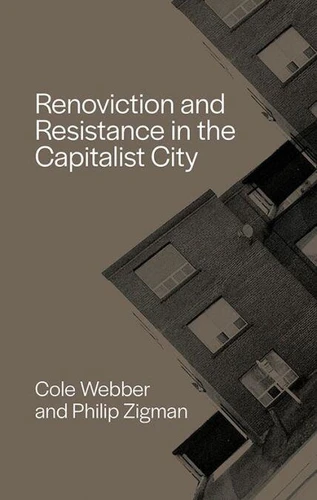
Renoviction and Resistance in the Capitalist City
Par : ,Formats :
Disponible dans votre compte client Decitre ou Furet du Nord dès validation de votre commande. Le format ePub est :
- Compatible avec une lecture sur My Vivlio (smartphone, tablette, ordinateur)
- Compatible avec une lecture sur liseuses Vivlio
- Pour les liseuses autres que Vivlio, vous devez utiliser le logiciel Adobe Digital Edition. Non compatible avec la lecture sur les liseuses Kindle, Remarkable et Sony
 , qui est-ce ?
Notre partenaire de plateforme de lecture numérique où vous retrouverez l'ensemble de vos ebooks gratuitement
Pour en savoir plus sur nos ebooks, consultez notre aide en ligne ici
C'est si simple ! Lisez votre ebook avec l'app Vivlio sur votre tablette, mobile ou ordinateur :

- Nombre de pages176
- FormatePub
- ISBN978-1-77113-700-3
- EAN9781771137003
- Date de parution16/06/2026
- Protection num.Digital Watermarking
- Taille2 Mo
- Infos supplémentairesepub
- ÉditeurBetween the Lines
Résumé
There is a lot of money to be made through eviction. That is why landlords draw from a playbook of legal and extra-legal tactics to renovict tenants-claiming to improve units, only to kick existing tenants out and jack up the rent for new ones. Now, displacement has become a harrowing reality plaguing urban landscapes. How do we explain this phenomenon? How did we get here and how do we organize to stop evictions? What strategies can renters use to hold their ground? Countering the narrative that the renovicting landlords are just a few bad apples acting in bad faith, Cole Webber and Philip Zigman expose the structures of displacement enabled by the state and perpetuated by rental housing reforms.
The system hasn't broken down, it is working as intended to increase landlord profits at the expense of the working class. As tenant organizers themselves, the authors have seen firsthand that knowledge of the law alone will not protect tenants from renoviction. Rather, tenants must organize collectively to fight back and stay in their homes.
The system hasn't broken down, it is working as intended to increase landlord profits at the expense of the working class. As tenant organizers themselves, the authors have seen firsthand that knowledge of the law alone will not protect tenants from renoviction. Rather, tenants must organize collectively to fight back and stay in their homes.