SOLDES
Jusqu'à -70% sur une sélection d'articles*

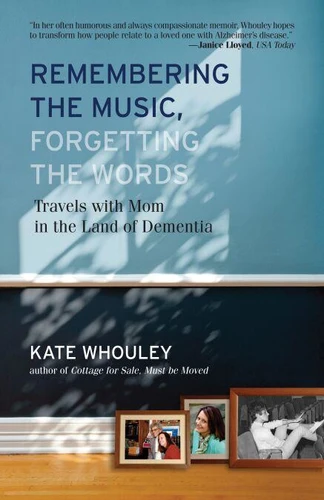
Remembering the Music, Forgetting the Words. Travels with Mom in the Land of Dementia
Par :Formats :
Disponible dans votre compte client Decitre ou Furet du Nord dès validation de votre commande. Le format ePub protégé est :
- Compatible avec une lecture sur My Vivlio (smartphone, tablette, ordinateur)
- Compatible avec une lecture sur liseuses Vivlio
- Pour les liseuses autres que Vivlio, vous devez utiliser le logiciel Adobe Digital Edition. Non compatible avec la lecture sur les liseuses Kindle, Remarkable et Sony
- Non compatible avec un achat hors France métropolitaine
 , qui est-ce ?
Notre partenaire de plateforme de lecture numérique où vous retrouverez l'ensemble de vos ebooks gratuitement
Pour en savoir plus sur nos ebooks, consultez notre aide en ligne ici
C'est si simple ! Lisez votre ebook avec l'app Vivlio sur votre tablette, mobile ou ordinateur :

- Nombre de pages240
- FormatePub
- ISBN978-0-8070-0320-6
- EAN9780807003206
- Date de parution06/09/2011
- Protection num.Adobe DRM
- Taille476 Ko
- Infos supplémentairesepub
- ÉditeurBeacon Press
Résumé
From the author of the much-loved memoir Cottage for Sale, Must Be Moved comes an engaging and inspiring account of a daughter who must face her mother's premature decline. In Remembering the Music, Forgetting the Words, Kate Whouley strips away the romantic veneer of mother-daughter love to bare the toothed and tough reality of caring for a parent who is slowly losing her mind. Yet, this is not a dark or dour look at the demon of Alzheimer's.
Whouley shares the trying, the tender, and the sometimes hilarious moments in meeting the challenge also known as Mom. As her mother, Anne, falls into forgetting, Kate remembers for her. In Anne we meet a strong-minded, accidental feminist with a weakness for unreliable men. The first woman to apply for-and win-a department-head position in her school system, Anne was an innovative educator who poured her passion into her work.
House-proud too, she made certain her Hummel figurines were dusted and arranged just so. But as her memory falters, so does her housekeeping. Surrounded by stacks of dirty dishes, piles of laundry, and months of unopened mail, Anne needs Kate's help-but she doesn't want to relinquish her hard-won independence any more than she wants to give up smoking. Time and time again, Kate must balance Anne's often nonsensical demands with what she believes are the best decisions for her mother's comfort and safety.
This is familiar territory for anyone who has had to help a loved one in decline, but Kate finds new and different ways to approach her mother and her forgetting. Shuddering under the weight of accumulating bills and her mother's frustrating, circular arguments, Kate realizes she must push past difficult family history to find compassion, empathy, and good humor. When the memories, the names, and then the words begin to fade, it is the music that matters most to Kate's mother.
Holding hands after a concert, a flute case slung over Kate's shoulder, and a shared joke between them, their relationship is healed-even in the face of a dreaded and deadly diagnosis. "Memory, " Kate Whouley writes, "is overrated."
Whouley shares the trying, the tender, and the sometimes hilarious moments in meeting the challenge also known as Mom. As her mother, Anne, falls into forgetting, Kate remembers for her. In Anne we meet a strong-minded, accidental feminist with a weakness for unreliable men. The first woman to apply for-and win-a department-head position in her school system, Anne was an innovative educator who poured her passion into her work.
House-proud too, she made certain her Hummel figurines were dusted and arranged just so. But as her memory falters, so does her housekeeping. Surrounded by stacks of dirty dishes, piles of laundry, and months of unopened mail, Anne needs Kate's help-but she doesn't want to relinquish her hard-won independence any more than she wants to give up smoking. Time and time again, Kate must balance Anne's often nonsensical demands with what she believes are the best decisions for her mother's comfort and safety.
This is familiar territory for anyone who has had to help a loved one in decline, but Kate finds new and different ways to approach her mother and her forgetting. Shuddering under the weight of accumulating bills and her mother's frustrating, circular arguments, Kate realizes she must push past difficult family history to find compassion, empathy, and good humor. When the memories, the names, and then the words begin to fade, it is the music that matters most to Kate's mother.
Holding hands after a concert, a flute case slung over Kate's shoulder, and a shared joke between them, their relationship is healed-even in the face of a dreaded and deadly diagnosis. "Memory, " Kate Whouley writes, "is overrated."