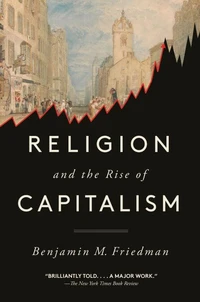
How religious thinking was-and remains-a central influence shaping economics. The conventional view of economics is that the field was a product of the Enlightenment and, therefore, bore no relation to religious ideas. But is this true? In Religious Influences on Economic Thinking, Benjamin Friedman shows that religious thinking was, in fact, a powerful force in shaping the initial development of modern Western economics and that it has remained an influence on economic thinking ever since.
Friedman argues that an important influence enabling the insights of Adam Smith and his contemporaries was the new and highly controversial line of religious thinking at that time in the English-speaking Protestant world. Friedman explains that the influence of religious thinking on modern economic thought at the field's inception established resonances that have persisted through the subsequent centuries, even as the economic context has evolved and the questions economists ask have shifted along with it.
Because we are largely not conscious of these influences, neither in the past nor as they are at work today, we are sometimes puzzled when we stumble across evidence of them-for example, in the otherwise hard-to-explain attitudes that many of our fellow citizens express on issues like estate taxes, business regulation, and environmental restrictions. But they are still at work. Understanding them can only enhance the economics profession's capacity to contribute to our ongoing public discussion of the important questions on which the discipline so usefully bears.
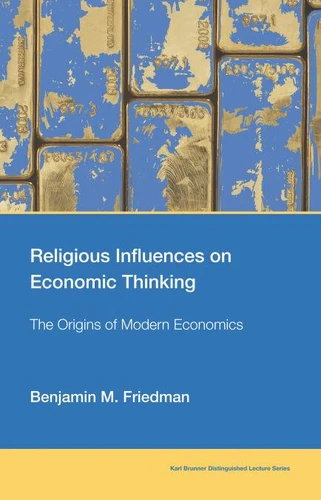
How religious thinking was-and remains-a central influence shaping economics. The conventional view of economics is that the field was a product of the Enlightenment and, therefore, bore no relation to religious ideas. But is this true? In Religious Influences on Economic Thinking, Benjamin Friedman shows that religious thinking was, in fact, a powerful force in shaping the initial development of modern Western economics and that it has remained an influence on economic thinking ever since.
Friedman argues that an important influence enabling the insights of Adam Smith and his contemporaries was the new and highly controversial line of religious thinking at that time in the English-speaking Protestant world. Friedman explains that the influence of religious thinking on modern economic thought at the field's inception established resonances that have persisted through the subsequent centuries, even as the economic context has evolved and the questions economists ask have shifted along with it.
Because we are largely not conscious of these influences, neither in the past nor as they are at work today, we are sometimes puzzled when we stumble across evidence of them-for example, in the otherwise hard-to-explain attitudes that many of our fellow citizens express on issues like estate taxes, business regulation, and environmental restrictions. But they are still at work. Understanding them can only enhance the economics profession's capacity to contribute to our ongoing public discussion of the important questions on which the discipline so usefully bears.

 , qui est-ce ?