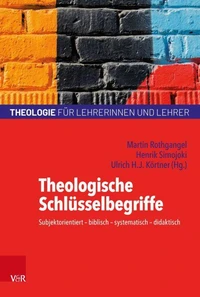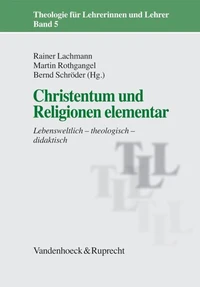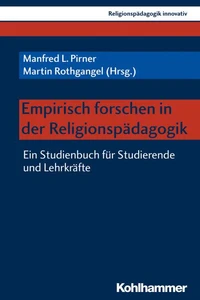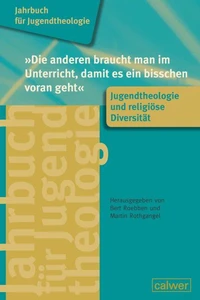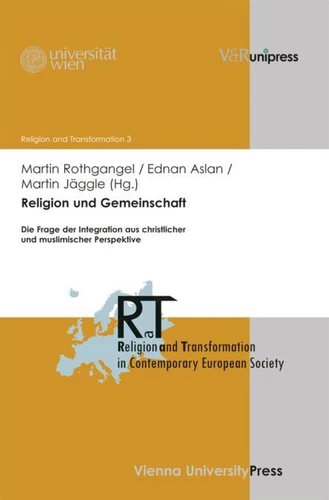



Dr. Martin Rothgangel ist Professor für Religionspädagogik an der Evangelisch-Theologischen Fakultät der Universität Wien.
Dr. Ednan Aslan ist Professor für islamische Religionspädagogik am Institut für Islamisch-Theologische Studien an der Universität Wien.
Prof. Dr. Martin Jäggle lehrte Religionspädagogik und Katechetik an der Katholisch-Theologischen Fakultät der Universität Wien.
Prof.
Dr. Kurt Appel lehrt Fundamentaltheologie an der Katholisch-Theologischen Fakultät der Universität Wien. Er ist Sprecher der Forschungsplattform »Religion and Transformation in Contemporary European Society« . Prof. Dr. Christian Danz studierte Evangelischen Theologie an der Universität Jena. Nach seiner Promotion und Habilitation übernahm er die Vertretungsprofessur für Systematische Theologie an der Universität Essen.
Seit 2002 ist er Professor für Systematische Theologie A. B. an der Evangelisch-Theologischen Fakultät der Universität Wien. Er ist Vorsitzender der Deutschen Paul-Tillich-Gesellschaft e. V. und Stellvertretender Vorsitzender des Ausschusses des Projektes »Schelling - Edition und Archiv« der Bayerischen Akademie der Wissenschaften. Prof. em. Dr. Richard Potz lehrte am Institut für Rechtsphilosophie an der Universität Wien. Dr.
Sieglinde Rosenberger, geboren 1957, ist Professorin am Institut für Politikwissenschaft der Universität Wien. Dr. Angelika Walser war wissenschaftliche Managerin der Forschungsplattform Religion and Transformation in Contemporary European Society (RaT) an der Universität Wien. Sie arbeitet momentan an ihrer Habilitation im Fach Theologische Ethik.
Dr. Kurt Appel lehrt Fundamentaltheologie an der Katholisch-Theologischen Fakultät der Universität Wien. Er ist Sprecher der Forschungsplattform »Religion and Transformation in Contemporary European Society« . Prof. Dr. Christian Danz studierte Evangelischen Theologie an der Universität Jena. Nach seiner Promotion und Habilitation übernahm er die Vertretungsprofessur für Systematische Theologie an der Universität Essen.
Seit 2002 ist er Professor für Systematische Theologie A. B. an der Evangelisch-Theologischen Fakultät der Universität Wien. Er ist Vorsitzender der Deutschen Paul-Tillich-Gesellschaft e. V. und Stellvertretender Vorsitzender des Ausschusses des Projektes »Schelling - Edition und Archiv« der Bayerischen Akademie der Wissenschaften. Prof. em. Dr. Richard Potz lehrte am Institut für Rechtsphilosophie an der Universität Wien. Dr.
Sieglinde Rosenberger, geboren 1957, ist Professorin am Institut für Politikwissenschaft der Universität Wien. Dr. Angelika Walser war wissenschaftliche Managerin der Forschungsplattform Religion and Transformation in Contemporary European Society (RaT) an der Universität Wien. Sie arbeitet momentan an ihrer Habilitation im Fach Theologische Ethik.