SOLDES
Jusqu'à -70% sur une sélection d'articles*

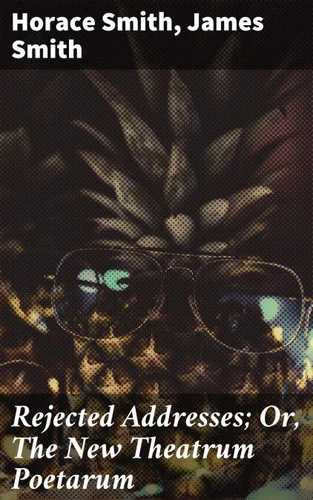
Rejected Addresses; Or, The New Theatrum Poetarum. Unveiling Literary Rejection: A Tapestry of Parody and Commentary
Par : ,Formats :
Disponible dans votre compte client Decitre ou Furet du Nord dès validation de votre commande. Le format ePub est :
- Compatible avec une lecture sur My Vivlio (smartphone, tablette, ordinateur)
- Compatible avec une lecture sur liseuses Vivlio
- Pour les liseuses autres que Vivlio, vous devez utiliser le logiciel Adobe Digital Edition. Non compatible avec la lecture sur les liseuses Kindle, Remarkable et Sony
 , qui est-ce ?
Notre partenaire de plateforme de lecture numérique où vous retrouverez l'ensemble de vos ebooks gratuitement
Pour en savoir plus sur nos ebooks, consultez notre aide en ligne ici
C'est si simple ! Lisez votre ebook avec l'app Vivlio sur votre tablette, mobile ou ordinateur :

- Nombre de pages201
- FormatePub
- ISBN406-4-06-623691-5
- EAN4064066236915
- Date de parution06/12/2019
- Protection num.Digital Watermarking
- Taille601 Ko
- Infos supplémentairesepub
- ÉditeurGOOD PRESS
Résumé
Rejected Addresses; Or, The New Theatrum Poetarum is a brilliant anthology that presents a tapestry of parodic and satirical literary pieces, deftly exploring the art of imitation and critique within its pages. With a keen focus on the transformation of classical and neoclassical themes, the collection offers a range of literary styles including pastiches and parody that skillfully mimic prominent poetry and prose of the era.
The anthology stands out in its ability to capture the zeitgeist, providing a multifaceted look at the literary landscape of the early 19th century. Through its humorous and incisive entries, it invites readers to see well-known works and concepts through a new and unique lens. The anthology features the collaborative genius of Horace and James Smith, who infuse their sharp wit into each entry, making for a cohesive yet varied exploration of literary commentary.
Their work aligns with the broader satirical movements of their time, paying homage to and lampooning the conventions of their literary precursors. This confluence of talents showcases the dynamics of 19th-century literary society, with the Smiths presenting an engaging dialogue that connects the past with contemporary cultural currents, highlighting the enduring relevance and adaptability of literary critique.
For those eager to explore the nuances of literary satire and its power to reflect and reshape societal norms, Rejected Addresses offers an unparalleled opportunity. The anthology is not only an entertaining read but also a profound educational resource that illuminates the richness of literary tradition and the creativity of its executors. The diversity embedded in this collection allows readers to appreciate the dialogue between distinct literary styles and voices, fostering a deeper understanding of the interplay between parody and genuine artistry.
The anthology stands out in its ability to capture the zeitgeist, providing a multifaceted look at the literary landscape of the early 19th century. Through its humorous and incisive entries, it invites readers to see well-known works and concepts through a new and unique lens. The anthology features the collaborative genius of Horace and James Smith, who infuse their sharp wit into each entry, making for a cohesive yet varied exploration of literary commentary.
Their work aligns with the broader satirical movements of their time, paying homage to and lampooning the conventions of their literary precursors. This confluence of talents showcases the dynamics of 19th-century literary society, with the Smiths presenting an engaging dialogue that connects the past with contemporary cultural currents, highlighting the enduring relevance and adaptability of literary critique.
For those eager to explore the nuances of literary satire and its power to reflect and reshape societal norms, Rejected Addresses offers an unparalleled opportunity. The anthology is not only an entertaining read but also a profound educational resource that illuminates the richness of literary tradition and the creativity of its executors. The diversity embedded in this collection allows readers to appreciate the dialogue between distinct literary styles and voices, fostering a deeper understanding of the interplay between parody and genuine artistry.