SOLDES
Jusqu'à -70% sur une sélection d'articles*

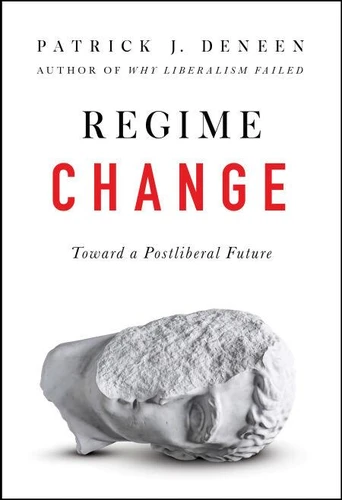
Regime Change. Toward a Postliberal Future
Par :Formats :
Disponible dans votre compte client Decitre ou Furet du Nord dès validation de votre commande. Le format ePub protégé est :
- Compatible avec une lecture sur My Vivlio (smartphone, tablette, ordinateur)
- Compatible avec une lecture sur liseuses Vivlio
- Pour les liseuses autres que Vivlio, vous devez utiliser le logiciel Adobe Digital Edition. Non compatible avec la lecture sur les liseuses Kindle, Remarkable et Sony
- Non compatible avec un achat hors France métropolitaine
 , qui est-ce ?
Notre partenaire de plateforme de lecture numérique où vous retrouverez l'ensemble de vos ebooks gratuitement
Pour en savoir plus sur nos ebooks, consultez notre aide en ligne ici
C'est si simple ! Lisez votre ebook avec l'app Vivlio sur votre tablette, mobile ou ordinateur :

- Nombre de pages288
- FormatePub
- ISBN978-0-593-08691-9
- EAN9780593086919
- Date de parution06/06/2023
- Protection num.Adobe DRM
- Taille797 Ko
- Infos supplémentairesepub
- ÉditeurSentinel
Résumé
From Notre Dame professor and author of Why Liberalism Failed comes a provocative call for replacing the tyranny of the self-serving liberal elite with conservative leaders aligned with the interests of the working classClassical liberalism promised to overthrow the old aristocracy, creating an order in which individuals could create their own identities and futures. To some extent it did-but it has also demolished the traditions and institutions that nourished ordinary people and created a new and exploitative ruling class.
This class's economic libertarianism, progressive values, and technocratic commitments have led them to rule for the benefit of the "few" at the expense of the "many, " precipitating our current political crises. In Regime Change, Patrick Deneen proposes a bold plan for replacing the liberal elite and the ideology that created and empowered them. Grass-roots populist efforts to destroy the ruling class altogether are naive; what's needed is the strategic formation of a new elite devoted to a "pre-postmodern conservatism" and aligned with the interest of the "many." Their top-down efforts to form a new governing philosophy, ethos, and class could transform our broken regime from one that serves only the so-called meritocrats. Drawing on the oldest lessons of the western tradition but recognizing the changed conditions that arise in liberal modernity, Deneen offers a roadmap for these changes, offering hope for progress after "progress" and liberty after liberalism.
This class's economic libertarianism, progressive values, and technocratic commitments have led them to rule for the benefit of the "few" at the expense of the "many, " precipitating our current political crises. In Regime Change, Patrick Deneen proposes a bold plan for replacing the liberal elite and the ideology that created and empowered them. Grass-roots populist efforts to destroy the ruling class altogether are naive; what's needed is the strategic formation of a new elite devoted to a "pre-postmodern conservatism" and aligned with the interest of the "many." Their top-down efforts to form a new governing philosophy, ethos, and class could transform our broken regime from one that serves only the so-called meritocrats. Drawing on the oldest lessons of the western tradition but recognizing the changed conditions that arise in liberal modernity, Deneen offers a roadmap for these changes, offering hope for progress after "progress" and liberty after liberalism.