SOLDES
Jusqu'à -70% sur une sélection d'articles*

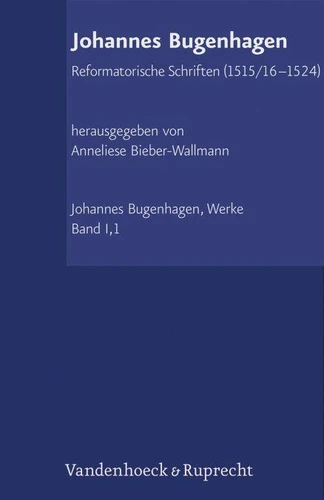
Reformatorische Schriften (1515/16–1524)
Par : , ,Formats :
Disponible dans votre compte client Decitre ou Furet du Nord dès validation de votre commande. Le format PDF est :
- Compatible avec une lecture sur My Vivlio (smartphone, tablette, ordinateur)
- Compatible avec une lecture sur liseuses Vivlio
- Pour les liseuses autres que Vivlio, vous devez utiliser le logiciel Adobe Digital Edition. Non compatible avec la lecture sur les liseuses Kindle, Remarkable et Sony
 , qui est-ce ?
Notre partenaire de plateforme de lecture numérique où vous retrouverez l'ensemble de vos ebooks gratuitement
Pour en savoir plus sur nos ebooks, consultez notre aide en ligne ici
C'est si simple ! Lisez votre ebook avec l'app Vivlio sur votre tablette, mobile ou ordinateur :

- Nombre de pages978
- FormatPDF
- ISBN978-3-647-55441-9
- EAN9783647554419
- Date de parution23/10/2013
- Protection num.pas de protection
- Taille13 Mo
- Infos supplémentairespdf
- ÉditeurVandenhoeck & Ruprecht
Résumé
This edition documents for the first time the literary contribution Johannes Bugenhagen made in preparing the birth of the Reformation. His reformatory teachings as well as excerpts from his lectures had a tremendous influence on Protestant piety. With this edition of his Latin, early New High German and Low German texts Anneliese Bieber-Wallmann documents his literary contribution to the rise of the Reformation.
The earliest sources reveal how much Johannes Bugenhagen was initially influenced by humanism. While in Pomerania he attempted to improve Latin instruction and reform views on piety to conform to Biblical aspects. From his time in Wittenberg from 1521 on we have many leaflets of his with simple depictions of the Reformation teachings as well as excerpts from exegetical lectures that had a profound effect on subsequent Protestant views of piety.
The earliest sources reveal how much Johannes Bugenhagen was initially influenced by humanism. While in Pomerania he attempted to improve Latin instruction and reform views on piety to conform to Biblical aspects. From his time in Wittenberg from 1521 on we have many leaflets of his with simple depictions of the Reformation teachings as well as excerpts from exegetical lectures that had a profound effect on subsequent Protestant views of piety.
