SOLDES
Jusqu'à -70% sur une sélection d'articles*

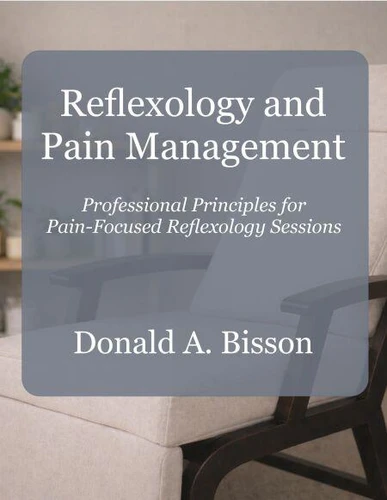
Reflexology And Pain Management - Professional Principles for Pain-Focused Reflexology Sessions
Par :Formats :
Disponible dans votre compte client Decitre ou Furet du Nord dès validation de votre commande. Le format ePub est :
- Compatible avec une lecture sur My Vivlio (smartphone, tablette, ordinateur)
- Compatible avec une lecture sur liseuses Vivlio
- Pour les liseuses autres que Vivlio, vous devez utiliser le logiciel Adobe Digital Edition. Non compatible avec la lecture sur les liseuses Kindle, Remarkable et Sony
 , qui est-ce ?
Notre partenaire de plateforme de lecture numérique où vous retrouverez l'ensemble de vos ebooks gratuitement
Pour en savoir plus sur nos ebooks, consultez notre aide en ligne ici
C'est si simple ! Lisez votre ebook avec l'app Vivlio sur votre tablette, mobile ou ordinateur :

- FormatePub
- ISBN978-1-0673832-0-6
- EAN9781067383206
- Date de parution16/03/2026
- Protection num.pas de protection
- Infos supplémentairesepub
- ÉditeurDonald Bisson
Résumé
Reflexology Pain Management: Professional Principles for Pain-Focused Reflexology Sessions Pain and discomfort can affect many aspects of daily life, including mobility, stress levels, sleep quality, emotional wellbeing, work performance, and overall quality of life. Reflexologists working with clients experiencing acute or chronic discomfort must understand not only reflexology approaches, but also professional communication, session adaptation, client-centred care, ethical awareness, and the practical considerations associated with wellness-focused pain management support.
Reflexology and Pain Management provides a practical framework for understanding and applying reflexology within the context of pain management and supportive wellness care. The book explores structured reflexology approaches, session planning strategies, client communication, stress-related considerations, professional boundaries, and practical decision-making associated with working with clients experiencing discomfort or pain-related challenges.
Rather than focusing on diagnosis, medical treatment, or theory-heavy discussion, this book emphasizes practical application, professional awareness, structured reflexology approaches, and real-world implementation. Practitioners are guided through the core principles, client considerations, session adaptations, and professional responsibilities that support safe, organized, and client-centred reflexology sessions.
This practical approach helps reflexologists build confidence, maintain professional standards, and apply reflexology in a structured, responsible, and professionally sound manner when supporting clients experiencing pain or discomfort. What You Will Learn How reflexology may be applied within the context of pain management and wellness support How to structure reflexology sessions appropriately for clients experiencing discomfort or chronic stress How to recognize important precautions, client limitations, and professional considerations How to adapt session structure, pacing, and reflexology approaches responsibly How to communicate effectively and professionally with clients experiencing pain-related concerns How to maintain professional boundaries and ethical awareness How to support organized, safe, and client-centred reflexology practice How to apply practical decision-making and professional judgment within pain management-focused sessions Professional PerspectivePain management within reflexology practice is not simply about working reflexes associated with discomfort-it also requires awareness, adaptability, communication, client-centred thinking, emotional sensitivity, professional judgment, and thoughtful attention to each client's individual experience and limitations.
Reflexologists working with clients experiencing pain-related concerns must understand how stress, fatigue, chronic discomfort, mobility limitations, emotional wellbeing, medications, lifestyle factors, and individual tolerance levels may influence session planning and reflexology approaches. Professional reflexology practice requires structured communication, realistic expectations, careful observation, and appropriate professional boundaries.
By focusing on structured reflexology frameworks, practical application, professional clarity, and individualized support strategies, practitioners can provide supportive reflexology sessions while maintaining appropriate professional standards, scope of practice, and ethical awareness. This book emphasizes professionalism, adaptability, practical implementation, and responsible reflexology practice within the context of supportive pain management and wellness care.
Reflexology and Pain Management provides a practical framework for understanding and applying reflexology within the context of pain management and supportive wellness care. The book explores structured reflexology approaches, session planning strategies, client communication, stress-related considerations, professional boundaries, and practical decision-making associated with working with clients experiencing discomfort or pain-related challenges.
Rather than focusing on diagnosis, medical treatment, or theory-heavy discussion, this book emphasizes practical application, professional awareness, structured reflexology approaches, and real-world implementation. Practitioners are guided through the core principles, client considerations, session adaptations, and professional responsibilities that support safe, organized, and client-centred reflexology sessions.
This practical approach helps reflexologists build confidence, maintain professional standards, and apply reflexology in a structured, responsible, and professionally sound manner when supporting clients experiencing pain or discomfort. What You Will Learn How reflexology may be applied within the context of pain management and wellness support How to structure reflexology sessions appropriately for clients experiencing discomfort or chronic stress How to recognize important precautions, client limitations, and professional considerations How to adapt session structure, pacing, and reflexology approaches responsibly How to communicate effectively and professionally with clients experiencing pain-related concerns How to maintain professional boundaries and ethical awareness How to support organized, safe, and client-centred reflexology practice How to apply practical decision-making and professional judgment within pain management-focused sessions Professional PerspectivePain management within reflexology practice is not simply about working reflexes associated with discomfort-it also requires awareness, adaptability, communication, client-centred thinking, emotional sensitivity, professional judgment, and thoughtful attention to each client's individual experience and limitations.
Reflexologists working with clients experiencing pain-related concerns must understand how stress, fatigue, chronic discomfort, mobility limitations, emotional wellbeing, medications, lifestyle factors, and individual tolerance levels may influence session planning and reflexology approaches. Professional reflexology practice requires structured communication, realistic expectations, careful observation, and appropriate professional boundaries.
By focusing on structured reflexology frameworks, practical application, professional clarity, and individualized support strategies, practitioners can provide supportive reflexology sessions while maintaining appropriate professional standards, scope of practice, and ethical awareness. This book emphasizes professionalism, adaptability, practical implementation, and responsible reflexology practice within the context of supportive pain management and wellness care.