SOLDES
Jusqu'à -70% sur une sélection d'articles*

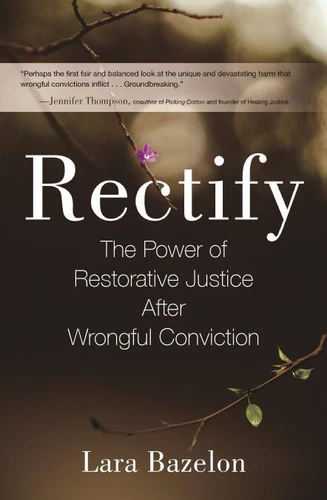
Rectify. The Power of Restorative Justice After Wrongful Conviction
Par :Formats :
Disponible dans votre compte client Decitre ou Furet du Nord dès validation de votre commande. Le format ePub protégé est :
- Compatible avec une lecture sur My Vivlio (smartphone, tablette, ordinateur)
- Compatible avec une lecture sur liseuses Vivlio
- Pour les liseuses autres que Vivlio, vous devez utiliser le logiciel Adobe Digital Edition. Non compatible avec la lecture sur les liseuses Kindle, Remarkable et Sony
- Non compatible avec un achat hors France métropolitaine
 , qui est-ce ?
Notre partenaire de plateforme de lecture numérique où vous retrouverez l'ensemble de vos ebooks gratuitement
Pour en savoir plus sur nos ebooks, consultez notre aide en ligne ici
C'est si simple ! Lisez votre ebook avec l'app Vivlio sur votre tablette, mobile ou ordinateur :

- Nombre de pages272
- FormatePub
- ISBN978-0-8070-2919-0
- EAN9780807029190
- Date de parution16/10/2018
- Protection num.Adobe DRM
- Taille7 Mo
- Infos supplémentairesepub
- ÉditeurBeacon Press
Résumé
A powerful argument for adopting a model of restorative justice as part of the Innocence Movement-so exonerees, crime victims, and their communities can come together to heal In Rectify, a former Innocence Project director and journalist Lara Bazelon puts a face to the growing number of men and women exonerated from crimes that kept them behind bars for years-sometimes decades-and that devastate not only the exonerees but also their families, the crime victims who mistakenly identified them as perpetrators, the jurors who convicted them, and the prosecutors who realized too late that they helped convict an innocent person.
Bazelon focuses on Thomas Haynesworth, a teenager arrested for multiple rapes in Virginia, and Janet Burke, a rape victim who mistakenly IDed him. It took over two decades before he was exonerated. Conventional wisdom points to an exoneration as a happy ending to tragic tales of injustice, such as Haynesworth's. However, even when the physical shackles are left behind, invisible ones can be profoundly more difficult to unlock.
In the midst of Bazelon's frustration over the blatant limitations of courts and advocates, her hope is renewed by the fledgling but growing movement to apply the centuries-old practice of restorative justice to wrongful conviction cases. Using the stories of Thomas Haynesworth, Janet Burke, and other crime victims and exonerees, she demonstrates how the transformative experience of connecting isolated individuals around mutual trauma and a shared purpose of repairing harm unite unlikely allies.
Movingly written and vigorously researched, Rectify takes to task the far-reaching failures of our criminal justice system and offers a window into a future where the power it yields can be used in pursuit of healing and unity rather than punishment and blame.
Bazelon focuses on Thomas Haynesworth, a teenager arrested for multiple rapes in Virginia, and Janet Burke, a rape victim who mistakenly IDed him. It took over two decades before he was exonerated. Conventional wisdom points to an exoneration as a happy ending to tragic tales of injustice, such as Haynesworth's. However, even when the physical shackles are left behind, invisible ones can be profoundly more difficult to unlock.
In the midst of Bazelon's frustration over the blatant limitations of courts and advocates, her hope is renewed by the fledgling but growing movement to apply the centuries-old practice of restorative justice to wrongful conviction cases. Using the stories of Thomas Haynesworth, Janet Burke, and other crime victims and exonerees, she demonstrates how the transformative experience of connecting isolated individuals around mutual trauma and a shared purpose of repairing harm unite unlikely allies.
Movingly written and vigorously researched, Rectify takes to task the far-reaching failures of our criminal justice system and offers a window into a future where the power it yields can be used in pursuit of healing and unity rather than punishment and blame.