Reading Clausewitz
Par :Formats :
Disponible dans votre compte client Decitre ou Furet du Nord dès validation de votre commande. Le format ePub protégé est :
- Compatible avec une lecture sur My Vivlio (smartphone, tablette, ordinateur)
- Compatible avec une lecture sur liseuses Vivlio
- Pour les liseuses autres que Vivlio, vous devez utiliser le logiciel Adobe Digital Edition. Non compatible avec la lecture sur les liseuses Kindle, Remarkable et Sony
- Non compatible avec un achat hors France métropolitaine
 , qui est-ce ?
Notre partenaire de plateforme de lecture numérique où vous retrouverez l'ensemble de vos ebooks gratuitement
Pour en savoir plus sur nos ebooks, consultez notre aide en ligne ici
C'est si simple ! Lisez votre ebook avec l'app Vivlio sur votre tablette, mobile ou ordinateur :

- Nombre de pages256
- FormatePub
- ISBN978-1-4481-1395-8
- EAN9781448113958
- Date de parution30/11/2011
- Protection num.Adobe DRM
- Infos supplémentairesepub
- ÉditeurVintage Digital
Résumé
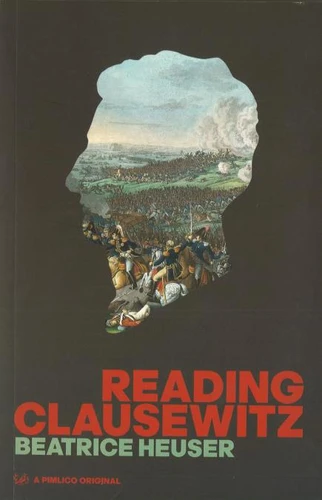
Clausewitz's On War, first published in 1832, remains the most famous study of the nature and conditions of warfare. Contemporaries found him 'endearing' or 'totally unpalatable', while later generations called him 'the father of modern strategical study', whose tenets have 'eternal relevance', or dismissed him as outdated. Was it really he who made the discovery that warfare is a continuation of politics? Was he the 'Mahdi of mass and mutual massacre', in part responsible for the mass slaughter of the First World War, as Liddell Hart contended? Can the idea of total war be traced back to him? Complex and often misunderstood, Clausewitz has fascinated and influenced generations of politicians and strategic thinkers.
Beatrice Heuser's study is the first book, not only on how to read Clausewitz, but also on how others have read him - from the Prussian and German masters of warfare of the late nineteenth century through to the military commanders of the First World War, through Lenin and Mao Zedong to strategists in the nuclear age and of guerrilla warfare. The result is an accessible and comprehensive introduction to the work and influence of the greatest classic on the art of war.
Beatrice Heuser's study is the first book, not only on how to read Clausewitz, but also on how others have read him - from the Prussian and German masters of warfare of the late nineteenth century through to the military commanders of the First World War, through Lenin and Mao Zedong to strategists in the nuclear age and of guerrilla warfare. The result is an accessible and comprehensive introduction to the work and influence of the greatest classic on the art of war.