SOLDES
Jusqu'à -70% sur une sélection d'articles*

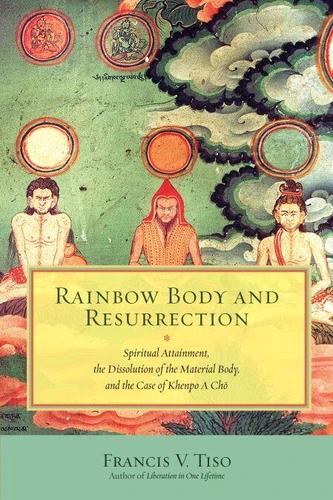
Rainbow Body and Resurrection
Par :Formats :
Disponible dans votre compte client Decitre ou Furet du Nord dès validation de votre commande. Le format ePub protégé est :
- Compatible avec une lecture sur My Vivlio (smartphone, tablette, ordinateur)
- Compatible avec une lecture sur liseuses Vivlio
- Pour les liseuses autres que Vivlio, vous devez utiliser le logiciel Adobe Digital Edition. Non compatible avec la lecture sur les liseuses Kindle, Remarkable et Sony
- Non compatible avec un achat hors France métropolitaine
 , qui est-ce ?
Notre partenaire de plateforme de lecture numérique où vous retrouverez l'ensemble de vos ebooks gratuitement
Pour en savoir plus sur nos ebooks, consultez notre aide en ligne ici
C'est si simple ! Lisez votre ebook avec l'app Vivlio sur votre tablette, mobile ou ordinateur :

- Nombre de pages408
- FormatePub
- ISBN978-1-58394-796-8
- EAN9781583947968
- Date de parution26/01/2016
- Protection num.Adobe DRM
- Taille7 Mo
- Infos supplémentairesepub
- ÉditeurNorth Atlantic Books
Résumé
A leading authority on the rainbow body traces its history in the encounter of religions in medieval Central Asia, exploring a previously unimagined connection between early Dzogchen and the resurrection of Jesus Francis V. Tiso, a noted authority on the rainbow body, explores this manifestation of spiritual realization in a wide-ranging and deeply informed study of the transformation of the material body into a body of light.
Seeking evidence on the boundary between physical science and deep spirituality that might elucidate the resurrection of Jesus, he investigates the case of Khenpo A Chö, a Buddhist monk who died in eastern Tibet in 1999. Rainbow Body and Resurrection chronicles the dissolution of Khenpo's material body within a week of his death, including eye-witness interviews. Tiso describes the spiritual practices that give rise to the rainbow body and traces their history deep into the encounter of religions in medieval Central Asia.
His erudite exploration of the Tibetan phenomenon raises the fascinating question of whether there is a connection between the rainbow body and the dying and rising of Jesus. Drawing on a wealth of recent research, Tiso expands his discussion to include the contemplative geography out of which Dzogchen arose some time in the eighth century along the great Silk Road across Central Asia. The result is an illuminating consideration of previously unimagined relationships between spiritual practices and beliefs in Central Asia.
Seeking evidence on the boundary between physical science and deep spirituality that might elucidate the resurrection of Jesus, he investigates the case of Khenpo A Chö, a Buddhist monk who died in eastern Tibet in 1999. Rainbow Body and Resurrection chronicles the dissolution of Khenpo's material body within a week of his death, including eye-witness interviews. Tiso describes the spiritual practices that give rise to the rainbow body and traces their history deep into the encounter of religions in medieval Central Asia.
His erudite exploration of the Tibetan phenomenon raises the fascinating question of whether there is a connection between the rainbow body and the dying and rising of Jesus. Drawing on a wealth of recent research, Tiso expands his discussion to include the contemplative geography out of which Dzogchen arose some time in the eighth century along the great Silk Road across Central Asia. The result is an illuminating consideration of previously unimagined relationships between spiritual practices and beliefs in Central Asia.